Adamawa, Kano, Bauchi See Food Prices Drop in Sept 2026 Despite National Rise
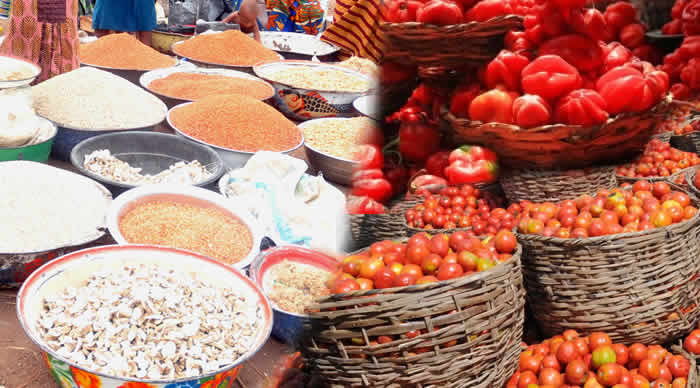
In September 2026, Adamawa (-13.84%), Kano (-11.01%), and Bauchi (-10.21%) recorded the slowest month-on-month food inflation among Nigerian states, with actual price decreases reported. This contrasts with national trends where headline inflation eased to 14.64% from 15.39% in August, but food inflation remained stubbornly high at 19.59% (up slightly from 19.57%). Meanwhile, Imo, Ondo, and Oyo faced the highest month-on-month increases, though specific figures weren't provided in the report.
On a year-on-year basis, Taraba, Yobe, and Borno showed the slowest food inflation, while Lagos (33.40%), Imo (33.79%), and Ondo (31.49%) endured the sharpest annual increases. The National Bureau of Statistics data reveals extreme regional divergence: some states experiencing relief while others grapple with severe cost pressures, highlighting that national averages mask critical local realities affecting household budgets.
For residents in Adamawa, Kano, and Bauchi, this temporary relief may ease immediate food costs but warrants caution given volatile national trends. Those in high-inflation states like Lagos, Imo, and Ondo continue facing significant budget strains, potentially requiring adjusted spending or alternative sourcing. Policymakers should examine why certain states defy national trends to inform targeted interventions rather than broad national policies. Will these regional disparities persist, and what localized factors are driving such divergent food price movements across Nigeria?