ANALYSIS: APC Convention: Zoning tensions, aspirants shape leadership bids
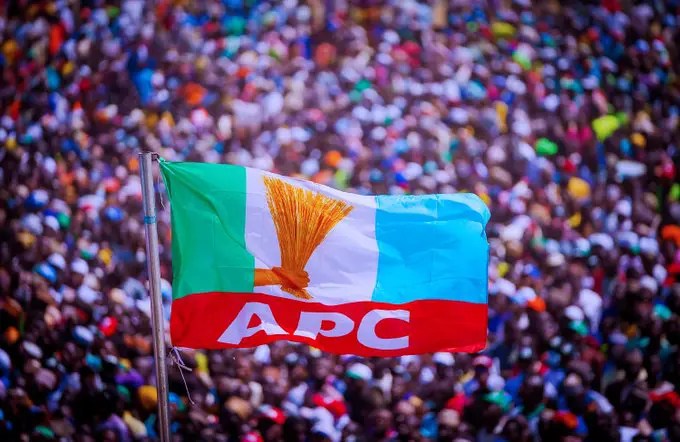
Add us on Google As the All Progressives Congress (APC) two-day National Convention begins today, the ruling party is entering a defining moment, one that will not only reshape its internal leadership but also signal its readiness for the political battles ahead, especially the 2027 general election. Scheduled for 27 and 28 March at Eagle Square, the convention comes amid a mix of consolidation at the top and disquiet among aspirants at the base. For a party that has been in existence since 2013 and governed Nigeria since 2015, conventions are more than ceremonial gatherings. The APC national convention represents the culmination of a carefully orchestrated democratic process. Across the country, party members have been engaged in a tiered sequence of political exercises, starting with ward meetings, progressing to local government and state gatherings, and culminating in zonal consultations, thereby ensuring grassroots input into the party’s leadership selection. The convention in context This convention marks the fourth major gathering since the party’s formation 13 years ago. Historically, the APC has used its conventions to recalibrate. Its 2014 inaugural convention at Teslim Balogun Stadium in Surulere, Lagos State, birthed a coalition strong enough to unseat an incumbent government. The 2018 elective convention held at the Eagles Square, Abuja, sought to stabilise internal structures after early cracks. In 2022, both elective and special conventions, also at the Eagles Square, Abuja, were instrumental in managing the leadership transition and producing its presidential candidate. This year’s gathering, party officials say, is less about upheaval and more about consolidation. At the centre of APC’s current trajectory is President Bola Tinubu, the party’s sole presidential candidate. His consolidation reflects a deliberate strategy to maintain stability within the party while focusing on national political priorities. Unlike previous cycles marked by intense presidential contests, the absence of rivalry at the top shifts attention to the National Working Committee (NWC), where the real contest now lies. Control of the NWC often translates into control of party machinery, which includes candidate selection, disciplinary processes and strategic direction. However, beneath this surface alignment, tensions have simmered over access to party nomination forms and compliance with zoning rules. Zoning and early signs of tension The 2026 convention will fill several key positions within the NWC, each zoned according to the party’s internal arrangements. The zoning framework, which assigns certain offices to specific geopolitical zones, has been both a stabilising and contested element of the process. Ahead of the convention, several aspirants have raised complaints. Dagogo Fubara, who is seeking the South-south zonal vice chairmanship, petitioned the party leadership, alleging that he was denied nomination forms despite paying the required ₦5.1 million. Similarly, Oyiborume Yovwe, an aspirant for national secretary, claimed he was informed that the position had effectively been pre-allocated, despite his compliance with the nomination process. Aspirants and Contest Mapping The convention will feature contests across several national offices, with aspirants emerging from diverse states and geopolitical zones. Current and aspiring party leaders appeared for screening on Tuesday. Top Leadership and Deputy Chairmanships: Nentawe Yilwatda (Plateau) for national chairman, Abubakar Dalori (Borno) for deputy national chairman (North), Emma Eneukwu (Enugu) for deputy national chairman (South), Surajudeen Basiru (Osun) for national secretary, and Abdulkarim Kana (Nasarawa) for deputy national secretary. Zonal Vice Chairmanships and Key Officers: Mu’azu Rijau (Niger) for national vice chairman (North-central), Mustapha Salihu (Adamawa) for national vice chairman (North-east), Mohammed Datti (Kaduna) for national vice chairman (North-west), Ijeomah Arodiogbu (Imo) for national vice chairman (South-east), Victor Giadom (Rivers) for national vice chairman (South-south), and D. I. Kekemeke (Ondo) for national vice chairman (South-west). Others are Muritala Kankia (Katsina) for national legal adviser, Uguru Ofoke (Ebonyi) for national treasurer, Bashir Gumel (Jigawa) for national financial secretary, Suleiman Argungun (Kebbi) for national organising secretary, Ignatus Nwapa (Abia) for national welfare secretary, Felix Morka (Delta) for national publicity secretary, and Abubakar Maikafi (Bauchi) for national auditor. Special Leadership and Deputies: Mary Alile-Idele (Edo) for national women leader, Abdullahi Israel (Lagos) for national youth leader, Tolu Bankole (Ogun) for Special (Persons With Disability) leader, Ibrahim Salahu (Kwara) for deputy national legal adviser, Omorede Osifo (Edo) for deputy national treasurer, Hamma-Adama Kumo (Gombe) for deputy national financial secretary, Nze Duru (Anambra) for deputy national organising secretary, Duro Meseko (Kogi) for Deputy national publicity secretary, and Femi Egbedeyi (Oyo) for deputy national auditor. Others are Ben Nwoye for deputy national chairman (South), Nduka Anyawu (Abia) for national welfare secretary, Peace Udosen (Akwa Ibom) for deputy national welfare, Zainab Ibrahim (Taraba) for deputy national women leader, Basil Ejidike (Anambra) for national ex officio (South-east) and Bunmi Orilowo (Ekiti) for national ex officio (South-west). Many members of the current NWC were elected during the 2022 convention. Since then, the ruling party has had two substantive national chairmen – Abdullahi Ganduje and incumbent Nentawe Yilwatda – following the resignation of Abdullahi Adamu, who was elected in that convention. Similarly, Iyiola Omisore, who was elected national secretary at the 2022 event, resigned alongside Mr Adamu, allegedly due to the role they played in the moves to stop Mr Tinubu from running for president. The 2036 convention may only ratify the appointments of Messrs Yilwatda and Basiru as chairman and secretary, respectively, since they were appointed after the 2022 convention. Other expectations at the convention Beyond elections, the APC convention will also deliberate on key party matters, including possible amendments to its constitution, a critical exercise that can redefine internal rules, disciplinary mechanisms and power distribution. Delegates will also adopt reports from party organs, review policy directions and formally endorse leadership decisions. The event itself is expected to feature speeches from party leaders, presentation of committee reports, accreditation of delegates and, where necessary, voting either by ballot or affirmation. READ ALSO: Deputy speaker rallies support group to deepen grassroots push for Renewed Hope Agenda Preparations Ahead of the convention, the APC held a world press conference on Thursday, where the Minister of Information and National Orientation, Mohammed Idris, defended the party’s zoning arrangement and downplayed the concerns raised by some aspirants, insisting the process remains transparent and in line with party rules. He said adherence to federal character principles explains why some aspirants could not access nomination forms, noting that party offices had already been distributed across geopolitical zones. According to him, attempts by aspirants to contest positions outside their designated zones were likely aimed at creating confusion. The minister disclosed that about 8,453 delegates from the 36 states and the Federal Capital Territory are expected at the convention, which he described as a platform for policy engagement, leadership elections and transition to a new set of party executives. Also speaking, Chairman of the Convention Coordinating Committee, Aminu Masari, expressed satisfaction with the level of preparation, noting that multiple sub-committees had completed their assignments. He said the APC was ready to deliver what he described as one of the best conventions in Nigeria’s political history, adding that the outcome would reinforce democratic processes within the party and beyond. Share this: Click to share on X (Opens in new window) X Click to share on Facebook (Opens in new window) Facebook Click to share on WhatsApp (Opens in new window) WhatsApp Click to share on Telegram (Opens in new window) Telegram Click to share on LinkedIn (Opens in new window) LinkedIn Click to email a link to a friend (Opens in new window) Email Click to print (Opens in new window) Print