APC Convention: How northern governors are quietly shaping continuity amid party tensions
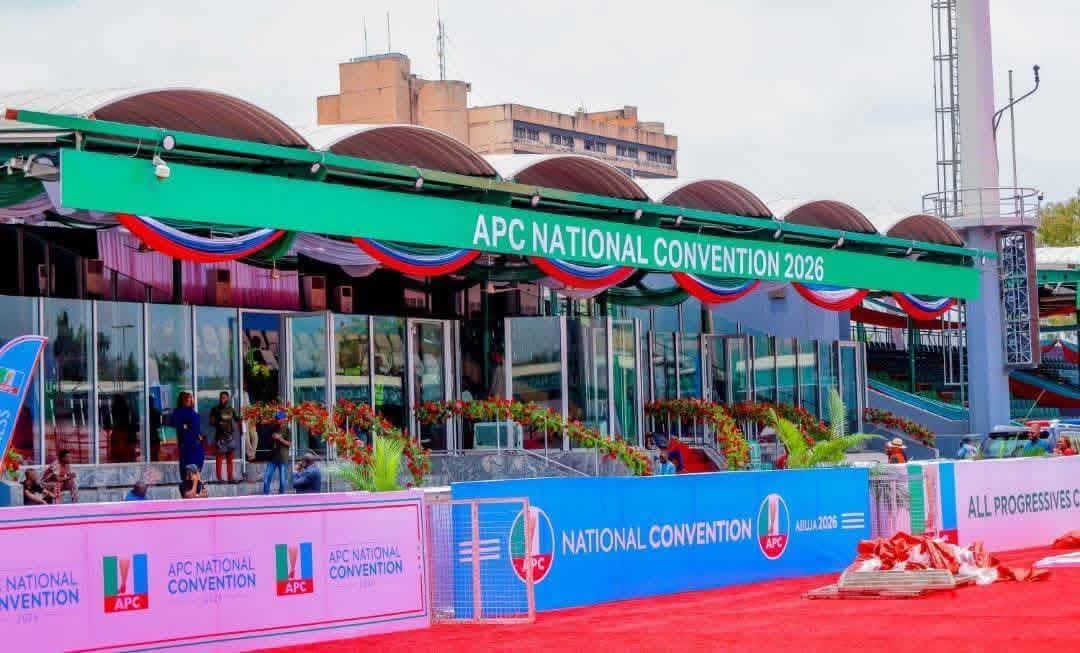
Add us on Google As the All Progressives Congress (APC) gathers for its Eighth National Convention at Eagle Square, Abuja, on Friday and Saturday, a quieter power dynamic is shaping outcomes behind the public display of unity: Northern governors are positioning themselves as central stabilisers of the party’s continuity agenda ahead of 2027. With over eight thousand delegates expected from across Nigeria’s 36 states and the Federal Capital Territory, the convention is set to ratify the party’s National Working Committee (NWC), including the expected confirmation of its current leadership. Public messaging has focused on cohesion and President Bola Tinubu’s “Renewed Hope” agenda, but internal alignments suggest a more complex balance of influence. Across zoning negotiations, committee structures and pre-convention mobilisation, Northern governors and allied party networks are playing a decisive — if largely understated — role in shaping outcomes. This influence is further strengthened by the consolidation of APC control across the north following the recent defection of governors in key states. Zoning retention as a strategic anchor A central pillar of this influence is the decision to retain the existing zoning formula for NWC positions. The Progressive Governors’ Forum (PGF), which includes a strong Northern bloc, has backed maintaining the current arrangement throughout President Tinubu’s administration. The move effectively shuts down immediate contestation over the distribution of key offices. Under the formula, the National Chairman position remains in the North-central zone — currently held by Nentawe Yilwatda — while other allocations, including the Deputy National Chairman (North) and National Publicity Secretary roles, remain unchanged. APC National Publicity Secretary Felix Morka said the existing zoning structure “remains valid and applicable” to the convention, as outlined in the party’s published schedule of activities. By preserving the status quo under the language of balance and stability, the arrangement protects established power centres while reducing the likelihood of disruptive floor contests. Influence within convention structures Northern actors are also visible in key operational structures overseeing the convention. Former Katsina State Governor Aminu Masari chairs the Central Coordination Committee, which, according to party planning documents and media reports, has been expanded to around 90 members. Former Senate President Anyim Pius Anyim serves as Vice Chairman I, while Kwara State Governor and Nigeria Governors’ Forum Chairman Abdulrahman AbdulRazaq holds Vice Chairman II — placing him in a strategic bridging position linking governors, party leadership and the Presidency. Imo State Governor Hope Uzodinma, initially named chairman, has been redeployed as Treasurer, a role central to overseeing financial and logistical arrangements. Yobe State Governor Mai Mala Buni, a former APC national chairman, serves as secretary, overseeing administrative coordination, documentation, and delegation processes. On the communications front, Niger State Governor Mohammed Bago — who recently inaugurated the committee in Abuja — heads the Digital and New Media Sub-Committee, a role central to shaping real-time narratives and online mobilisation during the convention. While the committee reflects national spread, these placements give Northern governors significant leverage over logistics, coordination, administration and messaging — critical elements in managing convention outcomes. Zonal mobilisation and delegate strength Pre-convention activities across Northern zones point to strong political coordination. In the North-west, a recent zonal congress in Kaduna brought together all seven governors of the zone — including new APC entrants Abba Yusuf (Kano) and Dauda Lawal (Zamfara) — alongside senior party figures, including National Assembly leaders and ministers. Similar exercises in the North-east and North-central produced consensus-based leadership outcomes and endorsements aligned with the party’s continuity direction. The coordinated mobilisation — reinforced by caucus meetings ahead of the convention — translates into substantial delegate strength on the convention floor. This organised political machinery positions the Northern bloc to project unified positions on key issues, particularly zoning retention and leadership ratification. Fault lines within the bloc Despite this coordination, internal tensions remain. The APC North-central Forum has publicly accused the National Chairman, Mr Yilwatda, of sidelining certain stakeholders within the zone. In a statement signed by its chairman, Saleh Zazzaga, the group alleged that its members were being marginalised despite their role in strengthening the party’s presence in Plateau State through the defection of Governor Caleb Muftwang from the Peoples Democratic Party (PDP). While the forum has stopped short of opposing Mr Yilwatda’s expected ratification, the dispute highlights underlying demands for inclusion and recognition within the broader Northern coalition. Southern pushback and party response Grievances are also emerging outside the Northern bloc. Some aspirants from the South-south have raised concerns over alleged irregularities in the sale and distribution of nomination forms, with a few threatening legal action. Party officials, including Felix Morka, have dismissed the complaints as isolated, reiterating that the process remains consistent with party guidelines and regulatory standards. Information Minister Mohammed Idris described the broader congress and screening exercises as orderly. The contrast underscores differing modes of engagement: while Northern actors have largely operated through internal consensus-building, dissent from other regions has been more public. Implications for party cohesion The convention is widely expected to deliver a smooth ratification of leadership and reinforce the party’s continuity agenda. Observers from the Independent National Electoral Commission (INEC) are expected to monitor proceedings. Their presence provides an additional layer of institutional validation to the outcomes. READ ALSO: ANALYSIS: APC Convention: Zoning tensions, aspirants shape leadership bids However, events leading up to the gathering suggest that cohesion within the APC remains carefully managed rather than absolute. Internal grievances in the North-central, complaints from Southern aspirants, and muted tensions around process transparency point to fault lines that could resurface beyond the convention. For President Tinubu, the stability engineered through these internal alignments may prove critical in sustaining party cohesion ahead of the 2027 electoral cycle. Whether this carefully managed balance holds beyond the convention may ultimately determine how stable the APC remains as 2027 approaches. Share this: Click to share on X (Opens in new window) X Click to share on Facebook (Opens in new window) Facebook Click to share on WhatsApp (Opens in new window) WhatsApp Click to share on Telegram (Opens in new window) Telegram Click to share on LinkedIn (Opens in new window) LinkedIn Click to email a link to a friend (Opens in new window) Email Click to print (Opens in new window) Print