Atiku vows to restore fuel subsidy to put more money in Nigerians’ pockets
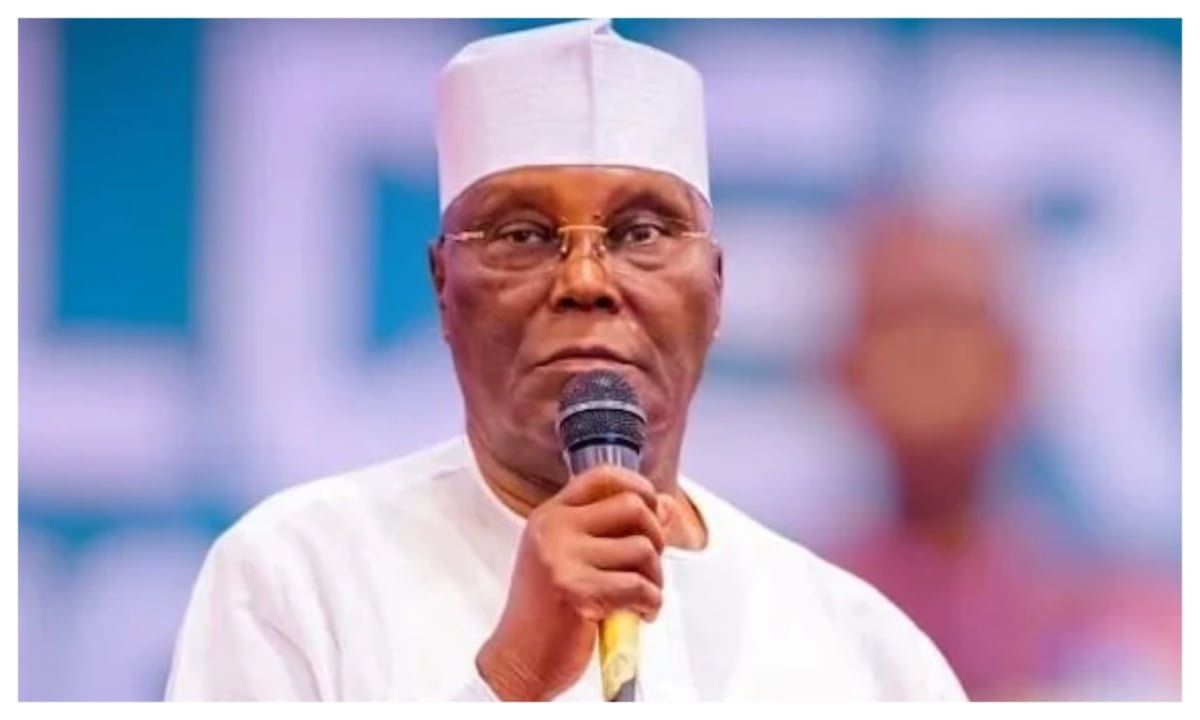
Atiku Abubakar, presidential candidate of the African Democratic Congress (ADC), said he will restore the fuel subsidy regime if elected in 2027, arguing that the subsidy should support local production rather than import costs. Speaking on X, he told a supporter that the goal is for Nigerians to "have more money in their pockets" by producing fuel domestically, lowering pump prices, and reducing transport and food expenses. He illustrated the impact with examples: a mother returning from the market with more food, a father paying transport and still having cash left, and a small business owner closing the day with profit instead of just enough to buy fuel for tomorrow.
The proposal comes amid the kickoff of the 2027 presidential election campaign, positioning fuel affordability as a central economic promise. Atiku contrasted his "production subsidy" with the previous "import subsidy", which he said merely paid for petrol brought in from abroad. He emphasized that lower fuel costs would ease pressure on household budgets and give families more discretionary income.
Readers should consider how a return to fuel subsidies might affect their monthly spending on transport and goods, weigh the fiscal implications for the government, and assess whether local production can realistically deliver the promised price cuts. With the election still over a year away, the policy detail invites voters to ask: Will a production‑based subsidy actually leave more money in your pocket, or should you focus on other economic plans?