Bus fares jump to ₦1,431 per trip in Nigeria as transport costs keep rising
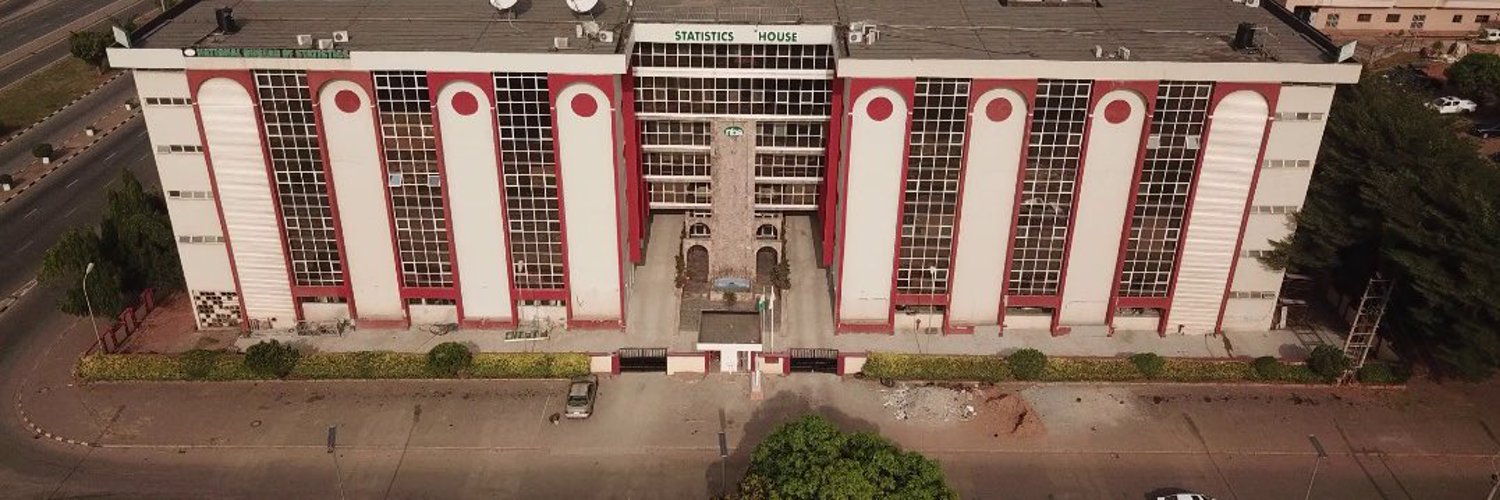
The National Bureau of Statistics reported that the average fare paid by commuters for intra‑city bus trips in Nigeria climbed to ₦1,431.25 in May 2026, up 2.43 % from April’s ₦1,397.27 and 38.63 % higher than the ₦1,032.46 paid in May 2025. The same report showed intercity bus fares at ₦9,699.55 (+0.96 % month‑on‑month, +21.89 % year‑on‑year), domestic airfares at ₦157,552.19 (+0.12 % MoM, +20.86 % YoY), motorcycle (okada) fares at ₦1,072.51 (+3.56 % MoM, +52.45 % YoY) and water transport fares at ₦2,276.48 (+2.41 % MoM, +30.88 % YoY). State‑level data reveal the highest intra‑city bus fares in Zamfara (₦1,878.80) and Taraba (₦1,771.96), while Abia and Adamawa recorded the lowest. For intercity travel, Ondo (₦11,080) and Abia (₦11,066.13) topped the list, with Kwara and Edo the cheapest. Kano (₦184,139.29) and Lagos (₦176,971.65) had the highest domestic airfares; Gombe and Nasarawa the lowest. Kaduna led motorcycle fares at ₦1,720.76 and Rivers led water transport at ₦6,893.55. Regionally, the Southwest posted the highest fares for intra‑city bus, intercity bus and motorcycle routes, whereas the South‑south recorded the highest water transport fares.
These sustained increases eat into household budgets, limit disposable income and may push commuters toward cheaper or reduced travel options. If you rely on regular bus, okada or air travel, consider budgeting for higher costs, exploring car‑pooling, adjusting travel times or discussing flexible work arrangements with your employer to offset the impact.