China Extends Tariff-Free Access to Most African Countries
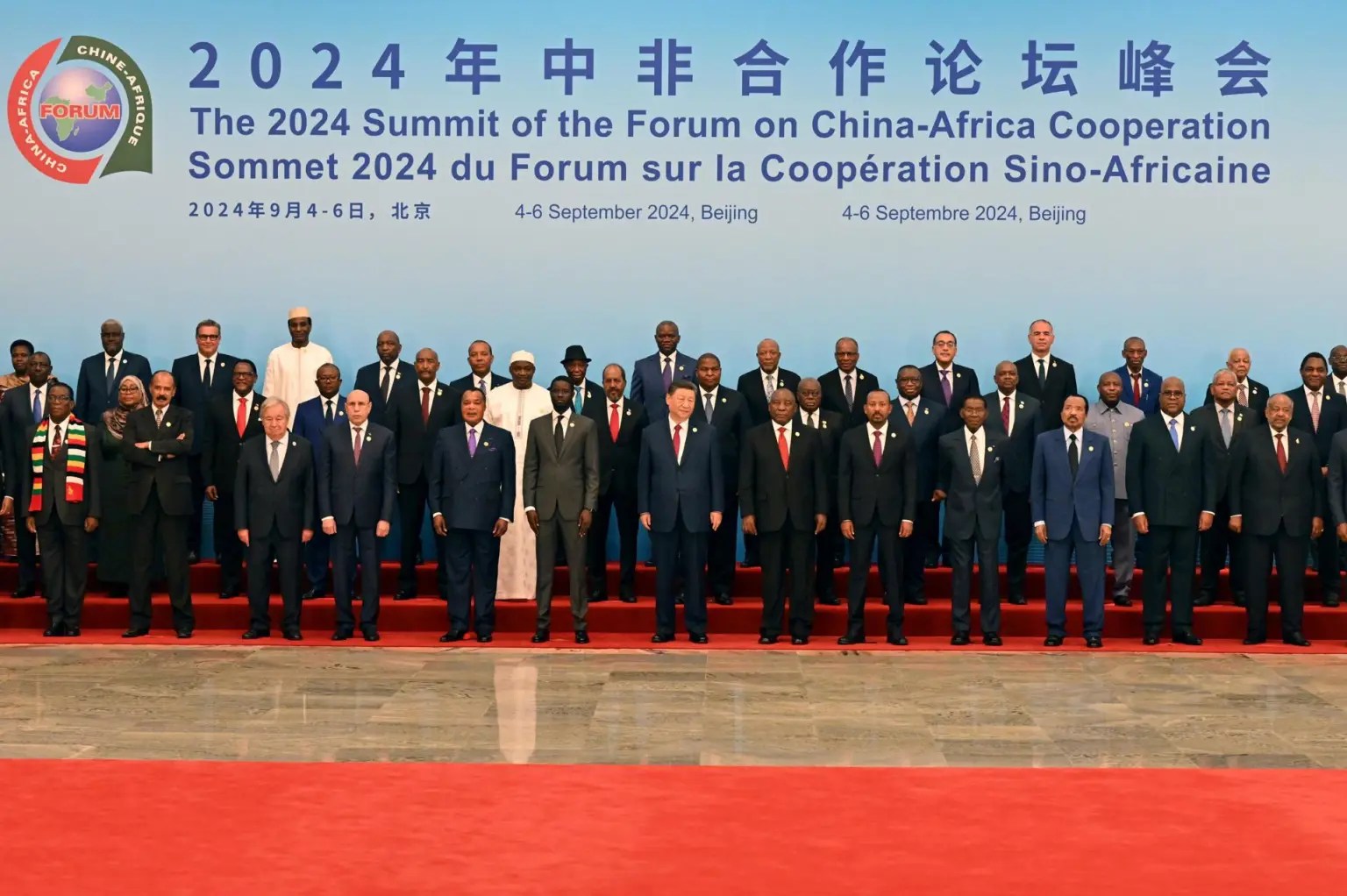
China extended tariff-free access from May 1 to all African countries except Eswatini, which maintains no diplomatic ties. While positioned as offering rare market access amid global trade fragmentation, about 70% of African exports to China were already entering duty-free before this policy. The impact will be modest—estimated at up to 1.3% of existing trade for South Africa—coming mainly from trade diversion rather than new demand. The policy serves as geostrategic signaling, reinforcing China's image as Africa's preferred partner compared to US protectionism. Africa's largest exporters to China—Angola (oil), DRC (copper), Zambia (copper), and South Africa (minerals)—are already deeply embedded in Chinese supply chains. Most tangible benefits will likely be in price-sensitive agricultural sectors like sesame seeds, coffee, and avocados. However, tariff elimination alone won't address Africa's fundamental trade imbalance with China—raw material exports versus finished goods imports. For meaningful economic transformation, African nations need complementary investments in infrastructure, industrial policy, human capital, and coordinated regional strategies to move up the value chain. The deeper question remains: on what terms and to what end will this access be utilized?