China's zero-tariff policy boosts Nigeria-China trade to $18B, but value addition key - experts
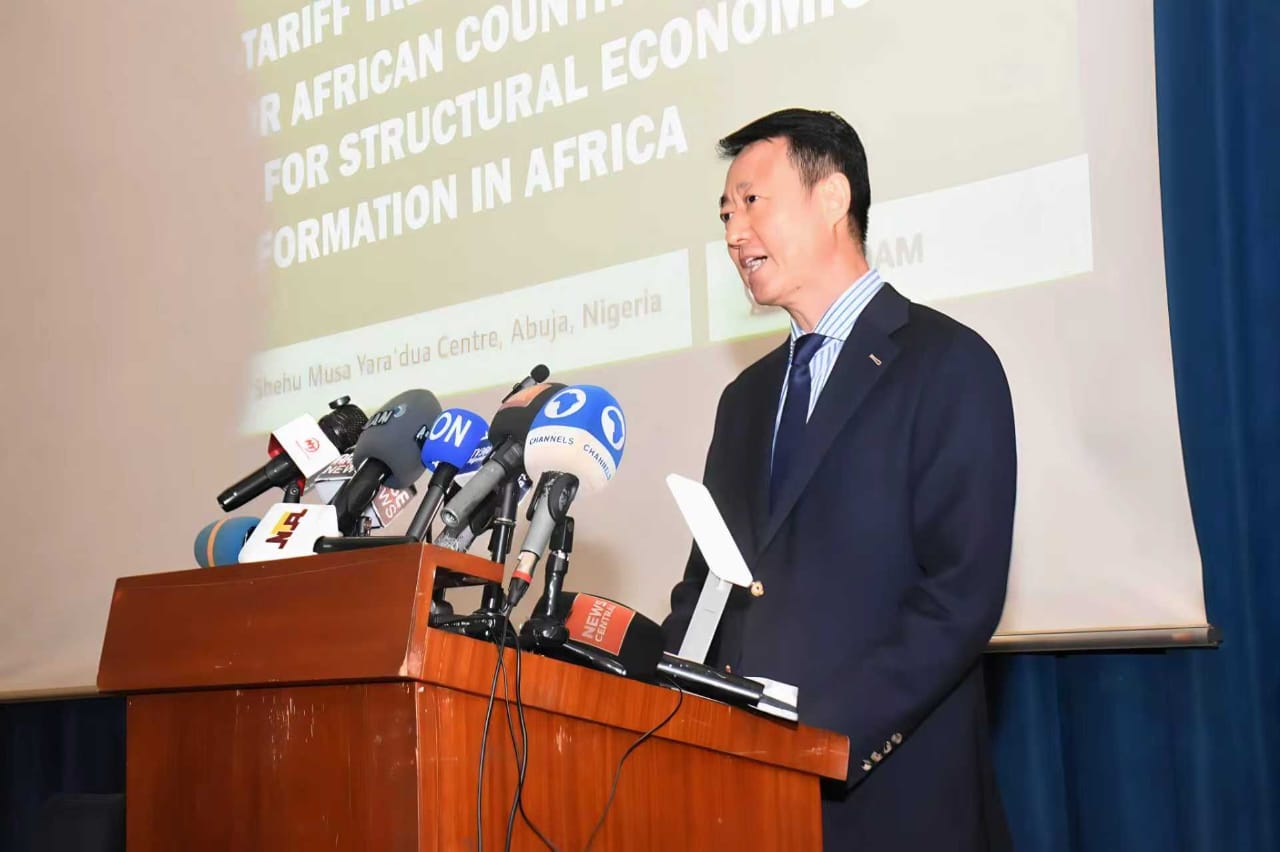
China's zero-tariff policy for 53 African nations, effective May 1, 2026, has already boosted China-Africa trade to $207 billion in the first half of 2026. For Nigeria specifically, bilateral trade with China surged 35% year-on-year to $18 billion in H1 2026, driven by an 80% jump in Chinese imports of Nigerian products to $2.3 billion - including agricultural exports, cattle bone granules, and liquefied propane that previously faced 3-10% tariffs.
However, Nigerian officials stress that tariff removal alone isn't enough. Minister of Foreign Affairs Bianca Odumegwu-Ojukwu urged Africa to enhance domestic productive capacity, aligning with Tinubu's Renewed Hope Agenda to ensure foreign investments include factories, technology transfer, and job creation - not just raw material extraction. Minister of State for Agriculture Aliyu Sabi Abdullahi echoed this, noting zero-tariff access requires modern processing facilities, logistics, and sanitary certification, highlighting ongoing SAPZ projects in cassava, sesame, hibiscus, cashew, and livestock.
Charles Onunaiju of the Centre for China Studies advised Nigerian businesses to leverage AfCFTA and regional processing networks to transform raw commodities into competitive industrial exports, moving up the value chain.
Will you focus on exporting raw materials under this zero-tariff regime, or invest in local processing to capture more value from Nigeria's agricultural and mineral resources?