Diezani tells UK court she was mere rubber stamp in Nigeria oil approvals
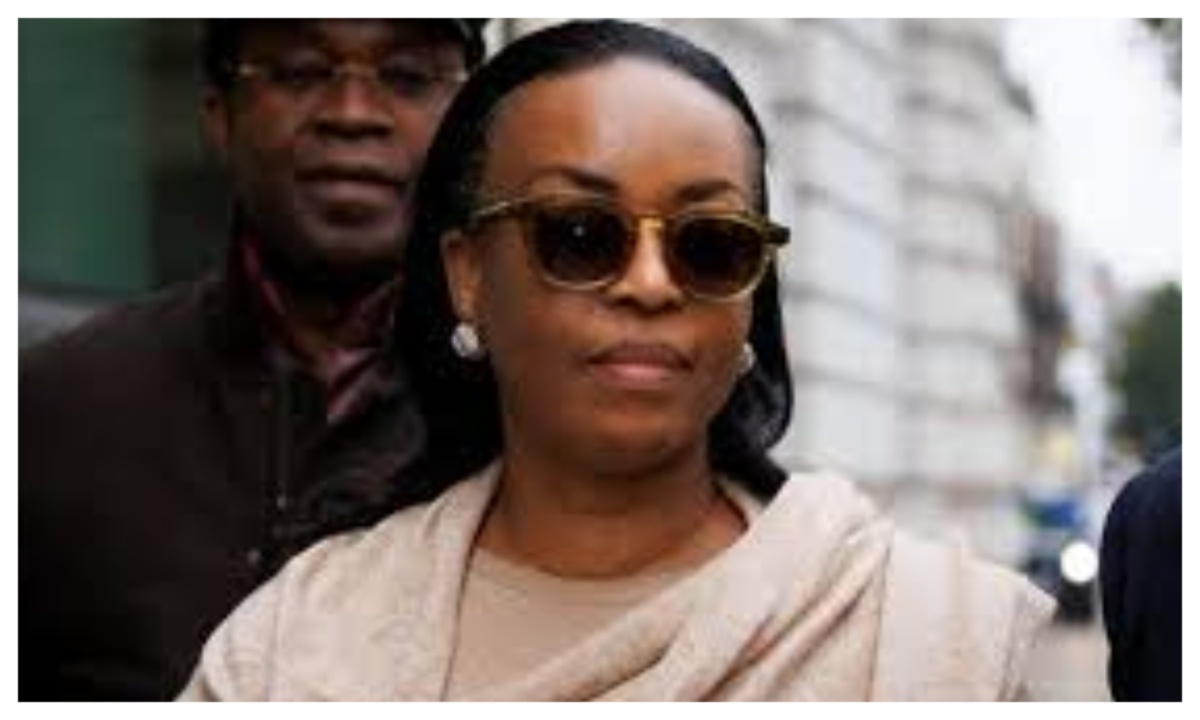
Diezani Alison-Madueke told a UK court that her role as Nigeria’s petroleum minister was largely routine, saying she often merely approved contracts already vetted by technical and regulatory bodies, describing herself as a "rubber stamp" in the process. Speaking at Southwark Crown Court in London, she explained that major oil decisions were made before documents reached her desk, leaving her limited direct control. She recalled a 2014 incident where she cancelled a questionable crude oil deal linked to businessman Igho Sanomi after a whistleblower report, but said powerful individuals opposed her move and complained to then‑President Goodluck Jonathan.
On the allegation that $20 billion in oil revenue went missing, she disagreed with former CBN governor Lamido Sanusi, insisting audits and legislative reviews showed the funds were tied to subsidy payments and operational costs, not theft. She acknowledged serious challenges in the fuel subsidy system, including duplicate claims by marketers, and said reforms were introduced to curb fraud. Diezani also said she faced security threats, including the kidnapping of family members, which she linked to her attempts to challenge powerful interests in the sector, and that politicians and business figures frequently pressed her office for preferential treatment in oil allocations, which she declined when due process was not followed.
Regarding her personal finances, she said she used Nigerian bank cards even on foreign trips, in line with rules barring public officials from holding foreign accounts, noting the cards sometimes failed abroad, forcing others to cover expenses temporarily. She added that her official trips between 2011 and 2015 usually involved about 30 officials, including aides, security and protocol staff, with all movements documented in ministry records.
Diezani is on trial alongside Olatimbo Ayinde and Doye Agama on five bribery‑related counts; all defendants have pleaded not guilty and the case continues in London.
Will the court’s verdict reinforce accountability for Nigeria’s oil sector, or will it highlight the limits of prosecuting high‑level officials? Observers should watch the outcome and consider what stronger oversight of oil contracts might look like in practice.
SOURCE: https://dailypost.ng/2026/04/16/i-was-a-rubber-stamp-diezani-tells-uk-court/