FG's ₦1,350/litre petrol price ceiling sparks subsidy vs smoothing debate
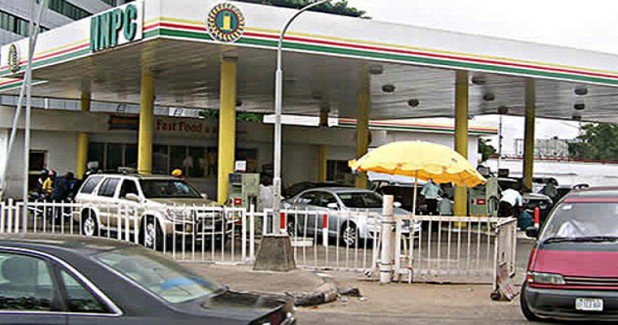
Finance Minister Taiwo Oyedele yesterday proposed a ₦1,350 per litre ceiling on petrol's ex-gantry or landing cost, where suppliers bear shortfalls when prices exceed this level and recover them later when costs fall. The Tinubu administration frames this as 'price smoothing' rather than subsidy removal, aiming to separate unsustainable subsidy elimination from creating a competitive downstream market.
The thing is, this mechanism raises critical unanswered questions about who truly bears costs. How will regulators verify eligible costs and shortfalls? Do suppliers earn interest on deferred amounts? What happens if international prices stay high long-term or exchange rates shock the system? Crucially, does this apply equally to Dangote Refinery, NNPCL, and independent importers—and what if suppliers refuse participation due to working capital strain? Is there a cap on accumulated shortfalls?
Get this: NNPCL's constrained domestic refining capacity makes it reliant on imports, while Dangote's export-processing-zone refinery could simply sell abroad if local prices are unattractive. If Nigerians ultimately bear costs through hidden channels—whether via NNPCL's reduced remittances, future government payouts, or supplier bankruptcies—the policy may just resurface subsidy burdens under a new name. The core test isn't immediate financing but whether this creates sustainable fuel supply without transferring hidden costs to taxpayers, suppliers, or future administrations.