Group launches initiative to address Nigeria’s gender gap in politics
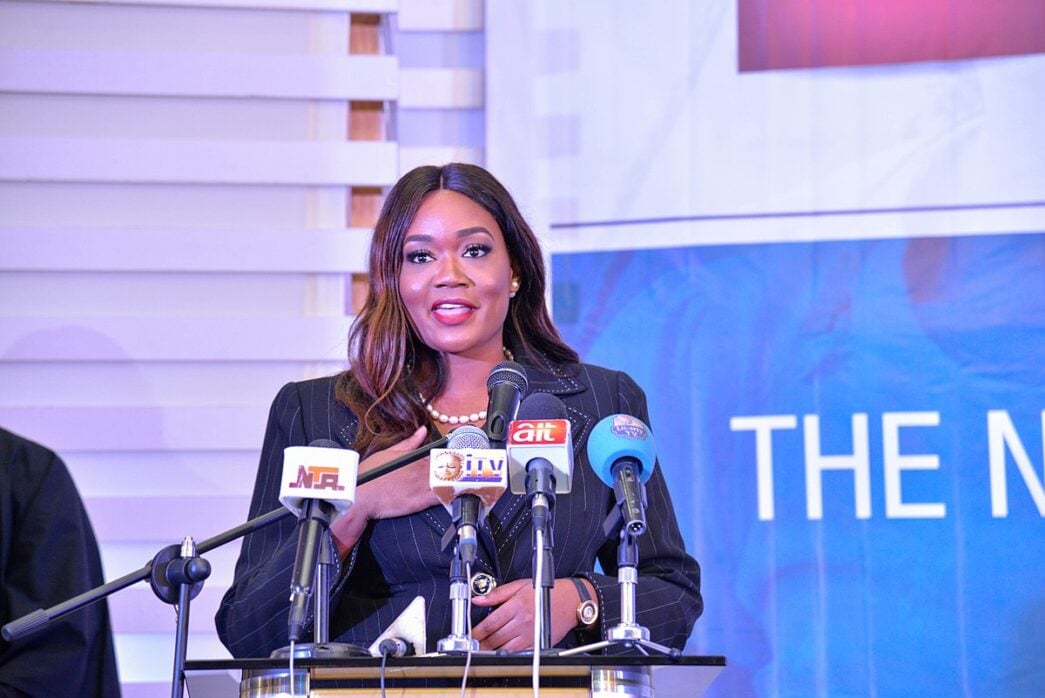
Add us on Google A non-governmental organisation, The Osasu Show (TOS) Foundation Africa, has launched a new initiative to address Nigeria’s low representation of women in politics. According to a statement issued on Tuesday, the initiative tagged ‘HerCademy Legislative Mentorship Programme’ was unveiled in Abuja in partnership with the Embassy of Switzerland in Nigeria Speaking at the launch, the Founder of TOS Foundation Africa, Osasu Igbinedion-Ogwuche, said the programme is designed to prepare women for public office and legislative leadership. Ms Igbinedion-Ogwuche stated that Nigeria does not lack capable women but lacks systems that expect women to lead and structures that support them in winning and governing effectively. She said the programme focuses on equipping participants with the knowledge and skills required for effective governance. “This is not just about participation; it is about power, equipping women to understand how laws are made, how systems work, and how to lead with competence and clarity once they are in the room,” she said. Female representation lowest in Africa Nigeria has continued to record low female representation in elective offices, particularly in the National Assembly. At present, Nigerian women occupy less than five per cent of seats in the National Assembly, which is far below the African Union’s 50 per cent parity target and the global average of 26.5 per cent. In the 10th Assembly (2023–2027), women hold only 17 out of 469 seats (about 3.6 per cent), across both the Senate and the House of Representatives, a figure that has dropped compared to previous parliaments. Stakeholders, including political leaders and advocates, have called for increased female participation in politics and governance. Efforts to improve representation have included proposals such as the Reserved Seats Bill. It is a proposed bill that seeks to create special seats exclusively for women in Nigeria’s national and state legislatures to address the country’s abysmally low female representation in politics. The bill is currently before the National Assembly and is designed as a temporary measure, with a provision that it will last for 16 years, covering four election cycles, after which it will be subject to review. It has passed its Second Reading at the House of Representatives and will require approval by two-thirds of members in both chambers, as well as endorsement by at least 24 state assemblies, before it can be sent to the president for assent. Low female participation Also speaking, Switzerland’s Chargé d’Affaires to Nigeria, Siamak Rouhani, highlighted the low level of women’s representation in Nigeria’s legislature. Mr Rouhani said women make up less than five per cent of Nigeria’s National Assembly, the lowest rate of female parliamentary representation in Africa. He noted that supporting women’s participation in politics contributes to broader governance outcomes. “By investing in these aspiring parliamentarians, we are advancing inclusive governance as the backbone of a stable and prosperous society,” he said. Six weeks training According to the organisers, the HerCademy programme will run for six weeks and bring together aspiring female leaders from across the country. Participants will undergo intensive training, mentorship, and legislative simulations, with a focus on legislative processes, policy development, and political strategy. READ ALSO: Experts call for gender-inclusive reforms to boost Nigeria’s economic growth The programme is aimed at preparing participants not only to run for office but also to function effectively in legislative roles. ‘Power is negotiated’ During a fireside conversation at the event, British Deputy High Commissioner Gill Lever spoke on the realities of leadership for women in politics. Ms Lever said, “Influence is not just about winning a seat. Effective leadership is what you do after you get the title – how you deliver outcomes in systems not designed for you.” “Power is rarely given to women. It is usually negotiated—and sometimes taken.” Organisers said the initiative is part of ongoing efforts to equip women with the capacity to participate in governance and legislative processes. They added that the programme aims to ensure that more women are not only elected into office but are also prepared to lead and deliver effectively. Share this: Click to share on X (Opens in new window) X Click to share on Facebook (Opens in new window) Facebook Click to share on WhatsApp (Opens in new window) WhatsApp Click to share on Telegram (Opens in new window) Telegram Click to share on LinkedIn (Opens in new window) LinkedIn Click to email a link to a friend (Opens in new window) Email Click to print (Opens in new window) Print