House PAC queries NNPCL, INEC on N802bn breaches; HYPREP gets 7-day ultimatum
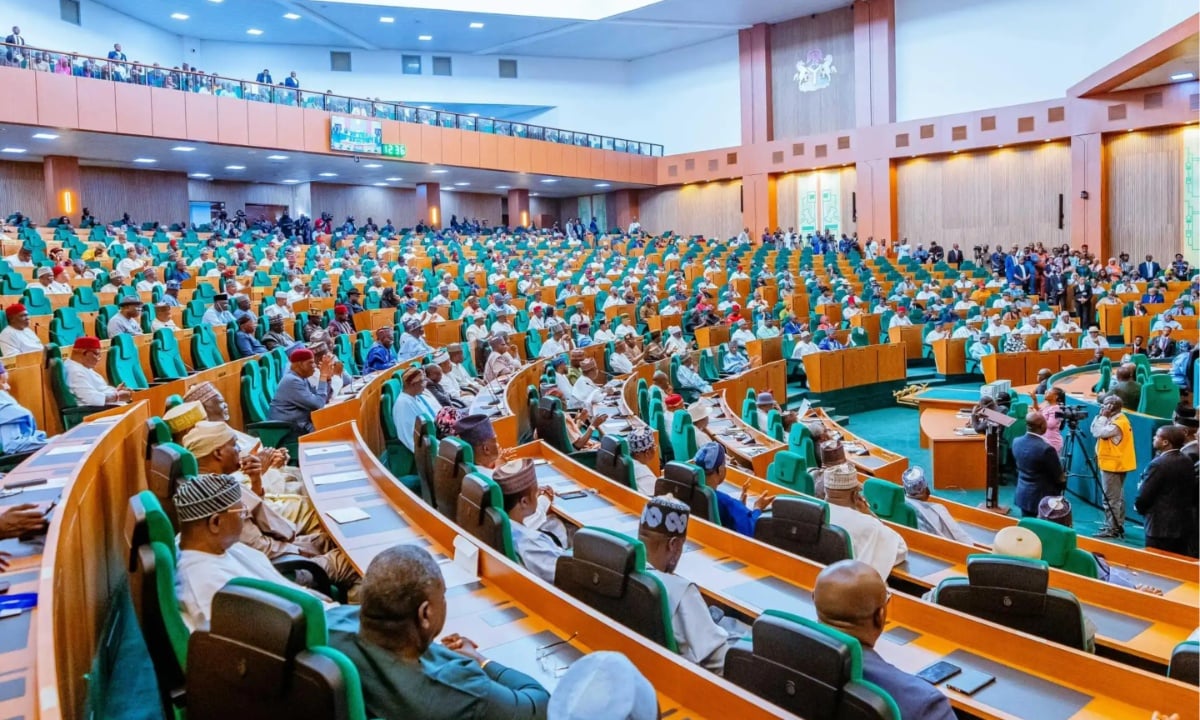
House of Representatives Public Accounts Committee has summoned officials of the Nigerian National Petroleum Company Limited (NNPCL) and the Independent National Electoral Commission (INEC) to answer alleged financial breaches totalling more than N802.19 billion, based on Auditor-General reports for the 2021, 2022 and 2023 fiscal years. The allegations include N83.66 billion reportedly warehoused from miscellaneous revenue in a sinking fund account, N82.95 billion in unauthorised deductions from Federation revenue, and a N3.75 billion shortfall from the sale of petroleum products, as well as procurement irregularities, payments to contractors and failure to remit statutory deductions by INEC.
The committee also gave the Hydrocarbon Pollution Remediation Project (HYPREP) a seven‑day ultimatum to explain audit queries involving over N400 billion, after the agency reportedly ignored four previous invitations. Queries cover failure to submit audited accounts between 2017 and 2021, contracts worth $2.1 million alleged to be irregularly awarded, missing tax deductions, N986 million paid for consultancy without evidence of execution, N315 million spent on training, N7.2 billion on poorly executed contracts, N268 million paid without pre‑payment audit, N32 million in statutory taxes not deducted, and N31.8 million paid to external solicitors without Attorney‑General approval. HYPREP’s Programme Coordinator must appear by October 12, 2026 or face further action.
In a related development, the Human Rights Writers Association of Nigeria (HURIWA) demanded full disclosure of the reported N11.2 trillion oil‑backed loans, warning that committing future crude production to service debt raises transparency and intergenerational equity concerns.
These revelations affect how public money is managed, the credibility of key institutions and the environment of Ogoni land. Citizens can follow the PAC hearings, demand detailed explanations from the agencies and consider the implications for national budgeting and public service delivery.