Hypertension strikes 6.4% of Nigerian pregnancies: Key risks, symptoms, and action steps
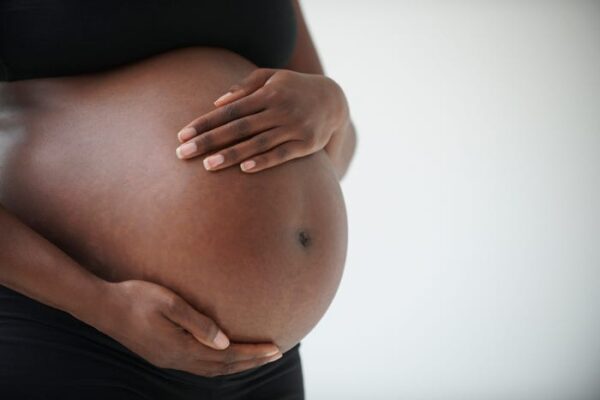
Premium Times reports a 2024 multi-centre study published in their Health Watch section, involving 71,758 women across 54 referral-level health facilities in Nigeria, found that 6.4 per cent had hypertensive disorders of pregnancy. Gestational hypertension accounted for 49.8 per cent of cases, pre-eclampsia for 9.5 per cent, and eclampsia for seven per cent respectively.
The Nigerian study also found that 11.9 per cent of pregnancies affected by hypertensive disorders ended in stillbirth, while 3.7 per cent of women with the disorders died. Speaking with PT Health Watch, Lewis Aituma, a Consultant Obstetrician and Gynaecologist at University of Benin Teaching Hospital, said pregnancy-induced hypertension is a major contributor to poor pregnancy outcomes for both mother and child.
He listed previous PIH, first pregnancy, advanced maternal age, diabetes, kidney disease, a long interval between pregnancies, family history of hypertension, multiple pregnancy and obesity among the risk factors. Aituma advised pregnant women to have their blood pressure checked routinely and watch for rising values. He said women should also report persistent headaches, blurred vision, a feeling of abnormal heartbeat, chest pain and rapidly increasing swelling of the legs, noting such symptoms should warrant emergency presentation to the obstetrician for expert evaluation and management.
However, some women with pregnancy-related hypertension may have no obvious symptoms, making regular antenatal checks important. The World Health Organisation recommends monitoring blood pressure during pregnancy because early detection and treatment of hypertensive disorders can help prevent serious complications. When PIH is not identified and properly managed, Mr Aituma said it can progress to pre-eclampsia and cause serious complications for the mother, including eclampsia, seizures, stroke and kidney failure. For the baby, he said it can increase the risk of premature birth, poor fetal growth, fetal death and premature separation of the placenta.
Mr Aituma said treatment depends on the severity of the condition and how far the pregnancy has progressed. For less severe forms, effort will be geared to blood pressure control and prevention of complications till the pregnancy is delivered. He explained that where the pregnancy is still early, doctors may try to safely prolong it, while at later gestational ages, the emphasis is to conduct a delivery. For severe cases, the priority is to control the woman’s blood pressure, prevent seizures and deliver the baby when necessary. WHO also recommends close monitoring, blood pressure treatment and timely delivery where required, depending on the severity of the condition and gestational age.
Mr Aituma said maintaining a healthy weight, exercising, making appropriate lifestyle changes and attending regular antenatal appointments can help reduce the risk of complications. He also advised pregnant women to monitor their blood pressure regularly and report any concerning symptoms promptly. Overall, prognosis is good in early diseases. Women should watch out for common symptoms in pregnancy and report the same promptly to their obstetrician for action.