IMF raises Nigeria's 2026 growth to 4.2% but warns reforms worsen poverty
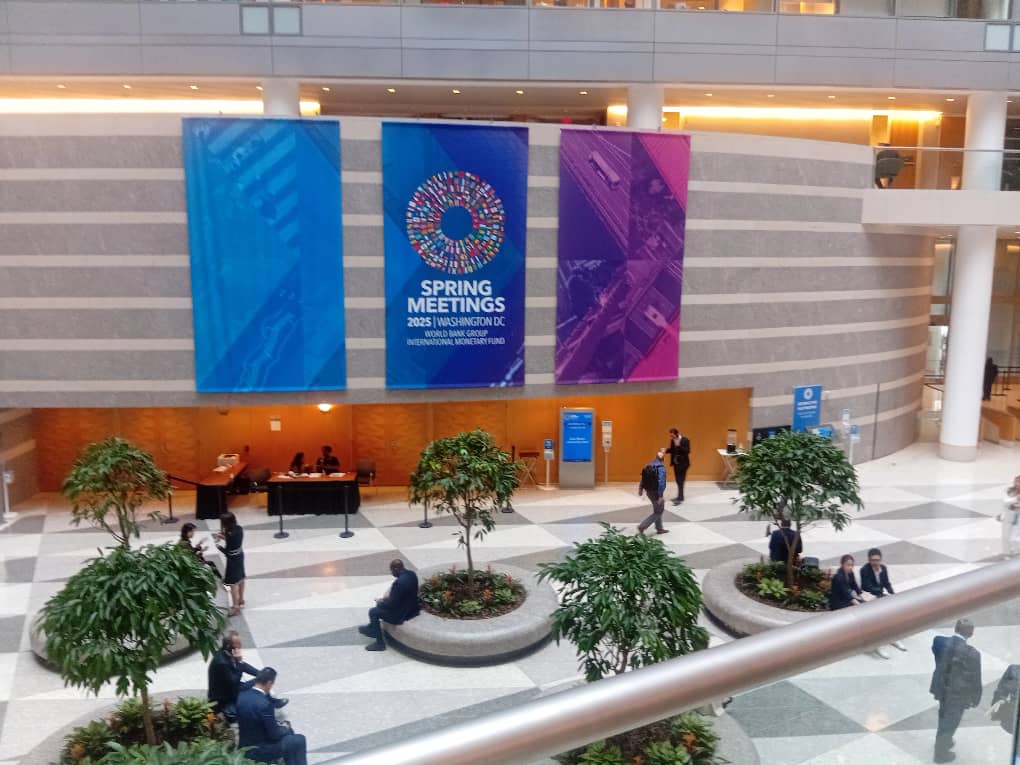
The IMF has raised Nigeria's economic growth forecast for 2026 to 4.2 percent, with 2027 projected at 4.3 percent, citing macroeconomic stability from government reforms. These projections appear in the IMF's World Economic Outlook report titled "Resilience Under Strain, Urgent Choices," presented at IMF/World Bank meetings in Bangkok, Thailand.
While praising Nigeria's foreign exchange market reforms and removal of wasteful fuel subsidies for improving fiscal health, the IMF warned that higher prices for essentials will likely aggravate poverty and food insecurity. The Bretton Woods institution acknowledged that although these reforms benefit national accounts, they have imposed significant hardship on many Nigerians through increased energy prices and general inflation.
The report shows Sub-Saharan Africa's growth expected to remain stable at 4.5 percent in 2026, though this masks substantial differences between oil-importing and resource-rich economies. For Nigerians, this suggests potential national economic growth occurring alongside persistent cost-of-living challenges from ongoing structural reforms.
With growth improving but essential prices rising, will you adjust your household budget to cope with continued inflation, seek additional income sources, or rely on extended family support systems as these economic reforms continue?