Immunization: Niger, Korea, UNICEF to tackle high burden of zero-dose children
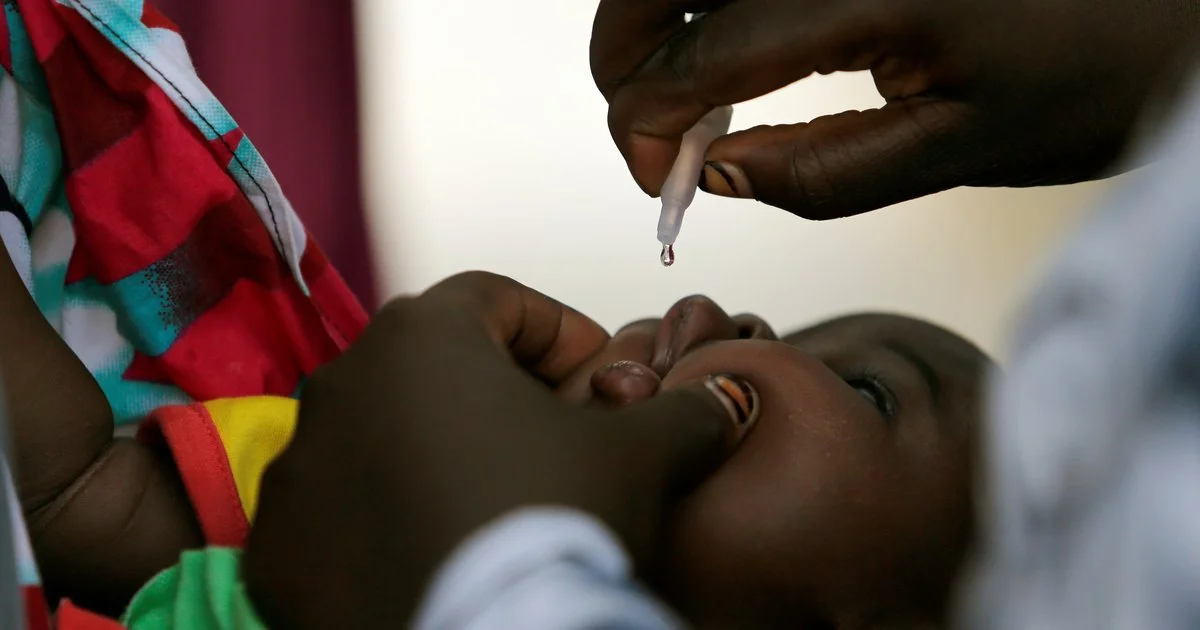
Health Immunization: Niger, Korea, UNICEF to tackle high burden of zero-dose children Published on April 16, 2026 By Priscilla Dennis googletag.cmd.push(function() { googletag.display('div-gpt-ad-1500386953281-8'); }); The Niger State Government has announced plans to strengthen immunization efforts across 10 local government areas identified as having a high burden of zero-dose children, with the aim of reaching affected communities within the next eight months. Zero dose children are infants who have not received any routine vaccinations, specifically missing the first dose of the diphtheria, tetanus, and pertussis-containing vaccine (DTP1) in their first year. Speaking at a Socialization Meeting on the Republic of Korea (ROK)–United Nations Children’s Fund (UNICEF) partnership grant for the maintenance and strengthening of immunization and essential health services in the selected LGAs, the Commissioner for Health, Dr. Murtala Bagana, attributed the challenge largely to insecurity and the presence of hard-to-reach communities. googletag.cmd.push(function() { googletag.display('div-gpt-ad-1524595905268-5'); }); The Commissioner, represented by the Ministry’s Permanent Secretary, Dr. Abdullah Imam, commended UNICEF and the Republic of Korea for their support. He urged the benefiting LGAs which include Bida, Chanchaga, Edati, Gurara, Katcha, Kontagora, Mariga, Rafi, Suleja, and Wushishi to take ownership of the programme to strengthen routine immunization and outreach services at both facility and community levels. According to him, “As a state, we are doing everything possible to ensure insecurity is curbed. We can all see its negative impact, and everybody is worried.” “It is not enough to plan for zero-dose cases; we should plan to eliminate them entirely. Every child that is not immunized is exposed and poses a risk to others,” he added. The Executive Director of the Niger State Primary Health Care Development Agency, Dr. Inuwa Junaidu, noted that the state faces significant challenges, including insecurity and banditry due to its proximity to Zamfara, Kebbi, Kogi, and Kaduna States. He further explained that a rapid assessment was conducted to identify LGAs contributing most to the zero-dose burden. “With support from the Korean Government and UNICEF, we are working to ensure that all zero-dose children are identified and vaccinated within the eight-month period,” he said. Junaidu added that the plan includes identifying, enumerating, and vaccinating eligible children in order to reduce the zero-dose burden to the barest minimum in the state. In his goodwill message, UNICEF Health Specialist from the Kaduna Field Office, Dr. Ahmed Tsofo, said the success of the programme would depend on strong collaboration with the state government. “UNICEF will stand shoulder to shoulder with you to ensure the success of this project,” he said. He noted that Nigeria bears the highest global burden of zero-dose children, estimated at 2.1 million, with states including Adamawa, Bauchi, the FCT, Lagos, Niger, and Ogun among the most affected. He added that the coverage gaps have contributed to repeated outbreaks of vaccine-preventable diseases such as diphtheria, measles, and cholera, with insecurity remaining a major barrier to reaching vulnerable children. Don't Miss Lagos issues red alert over rising lassa fever cases nationwide You may like Zone 7 Police Niger State orders probe into alleged cybercrime, extortion by personnel Benin, Togo, Niger owe Nigeria over N13bn electricity debt Man arrested for impregnating 16-year-old granddaughter in Niger 2027: Vatsa warns Niger APC against imposition of candidates ASUU condemns Niger govt over alleged attempt to seize FUTMinna Bosso campus 2027: Intense political maneuvering as Niger APC scraps guber zoning