Indian pilot recounts stopping flydubai jet after co-pilot attack
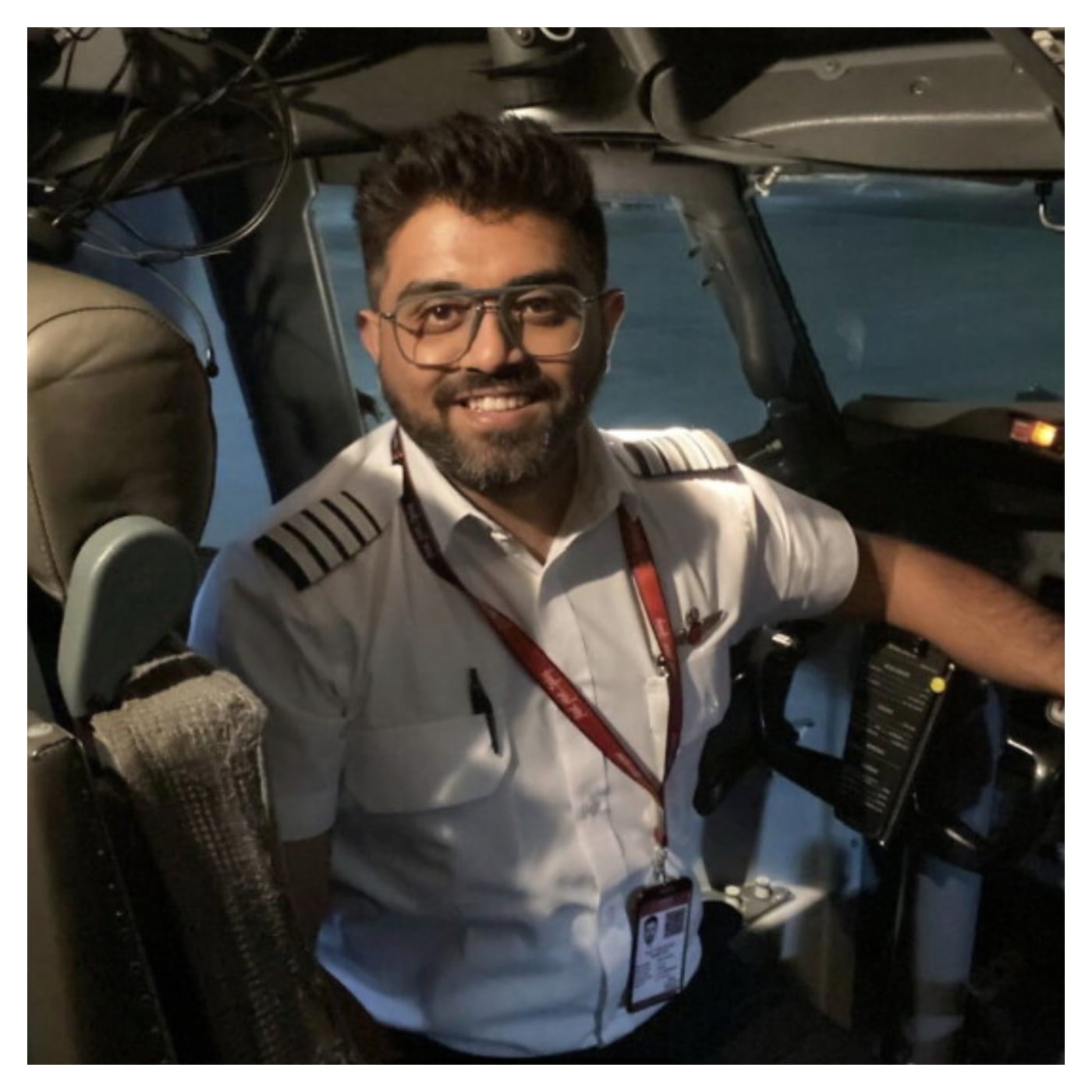
Indian pilot Smit Machchhar recounted how he prevented a potential disaster after being allegedly attacked by his co-pilot during a Dubai-to-Tel Aviv flydubai Boeing 737 flight on Wednesday, October 30, 2026. The aircraft, carrying 174 passengers, lost altitude rapidly—dropping about 17,000 feet in a minute—while Machchhar lay injured in the cockpit. Despite his injuries, he managed to open the cockpit door, allowing passengers to enter and help subdue the co-pilot. The flight was diverted and made an emergency landing in Saudi Arabia, with no further injuries reported.
The incident highlights the critical importance of cockpit security and crew training, as Machchhar’s 17 years of aviation experience enabled him to stay focused on saving lives under extreme stress. Both Indian Prime Minister Narendra Modi and Israeli Prime Minister Benjamin Netanyahu praised his actions, noting that his quick thinking and passenger intervention averted what could have been a major tragedy. The co-pilot remains under investigation, and authorities are reviewing what led to the confrontation.
What safety protocols should airlines strengthen to prevent in‑flight assaults and ensure pilots can retain control or summon help when attacked? How might better cockpit door designs or crew alert systems change outcomes in similar emergencies?