Iran war: Expert forecasts Strait of Hormuz blockade effects on Africa
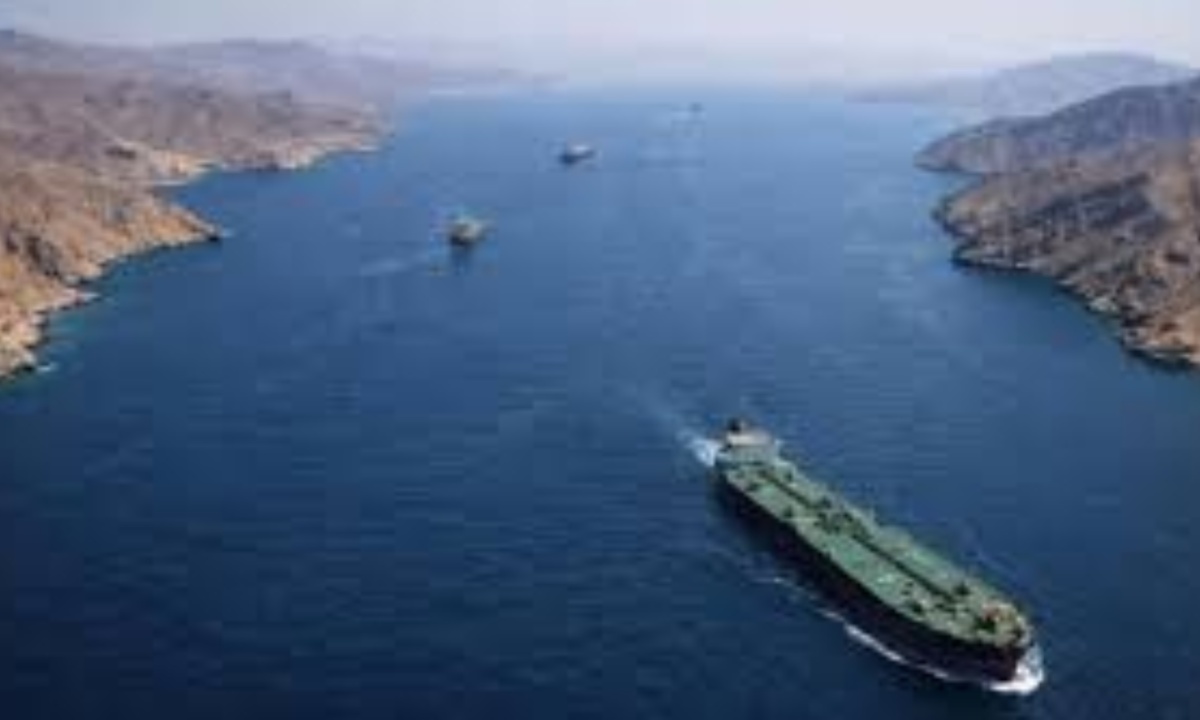
World News Iran war: Expert forecasts Strait of Hormuz blockade effects on Africa Published on April 1, 2026 By Wale Odunsi googletag.cmd.push(function() { googletag.display('div-gpt-ad-1500386953281-8'); }); The Strait of Hormuz closure precipitated by the Iran war portends tough times ahead for Africa, according to Ronald Mlalazi, President Africa Supply Chain Confederation (ASCON). Around a quarter of global oil shipments pass through the disputed route, with analysts projecting $150–$200 per barrel scenarios if disruption continues for another month. Mlalazi said besides fuel, Hormuz moves fertiliser, plastic inputs, petrochemicals, and liquefied natural gas. “That’s where Africa gets hit hardest,” he wrote in an opinion, ‘When Hormuz Closes, Africa Pays First.’ googletag.cmd.push(function() { googletag.display('div-gpt-ad-1524595905268-5'); }); The procurement and supply chain professional cited the International Energy Agency’s description of the situation as the largest disruption in oil market history, with up to 30 percent of global oil flows affected. Noting that Tanzania, Ethiopia, and Zambia are taking actions, including subsidies and reserve releases, Mlalazi said East and Southern Africa’s reliance on Middle Eastern supply chains is structural, not optional. In a forecast for the next 30 days [April], Mlalazi said as oil spikes, transport will cost more, causing higher road freight tariffs, airline and shipping surcharges, and margin compression across FMCG and retail. He predicts lower yields, higher food prices, and inflation due to the impact of fertilizer shortage. “In economies where food dominates household spending, that’s not a marginal issue. It’s systemic.” With major shipping lines rerouting vessels around the Cape of Good Hope, adding weeks to transit times, Mlalazi expects “longer lead times, working capital pressure, and more stockouts.” In his recommendations, the expert urged African nations to start preparing for secondary shortages of pharmaceuticals, plastics (packaging constraints), and chemicals (manufacturing inputs). Mlalazi also advised suppliers using normal transit routes to reroute early, explore alternative ports, different origin countries, and split shipments before the options narrow. He suggests resetting contractual expectations and running disruption scenarios—two weeks, six weeks, three months—tied to pricing, inventory policy, and customer communications. Mlalazi added that if the Hormuz Strait remains unstable in the coming weeks, Africa will not only absorb higher prices but will also contend with slower trade, tighter margins, and rising food insecurity. Last week, the World Bank confirmed the conflict in the Middle East has caused supply chain disruptions, affecting energy, fertilizers, and other critical agricultural inputs. In its blog Monday, the International Monetary Fund encouraged countries to quickly adopt appropriate policies to manage the shock and maintain resilience. The IMF said measures need to be carefully calibrated to country-specific needs, advising nations with limited reserves and little fiscal room to maneuver to be especially cautious. Don't Miss War: American journalist kidnapped in Iraq You may like War: UAE to help US reopen Strait of Hormuz by force Iran: ‘It’s not for US’ – Trump abandons fight to reopen Strait of Hormuz Iran: Trump informs aides of readiness to end war without reopening Strait of Hormuz Iran war: Israel reports 232 injuries in 24 hours War: US kills five near Strait of Hormuz Iran war: Saudi Foreign Minister arrives Pakistan for talks on regional tensions