Jos: How Christians, Muslims stood for peace amid unrest
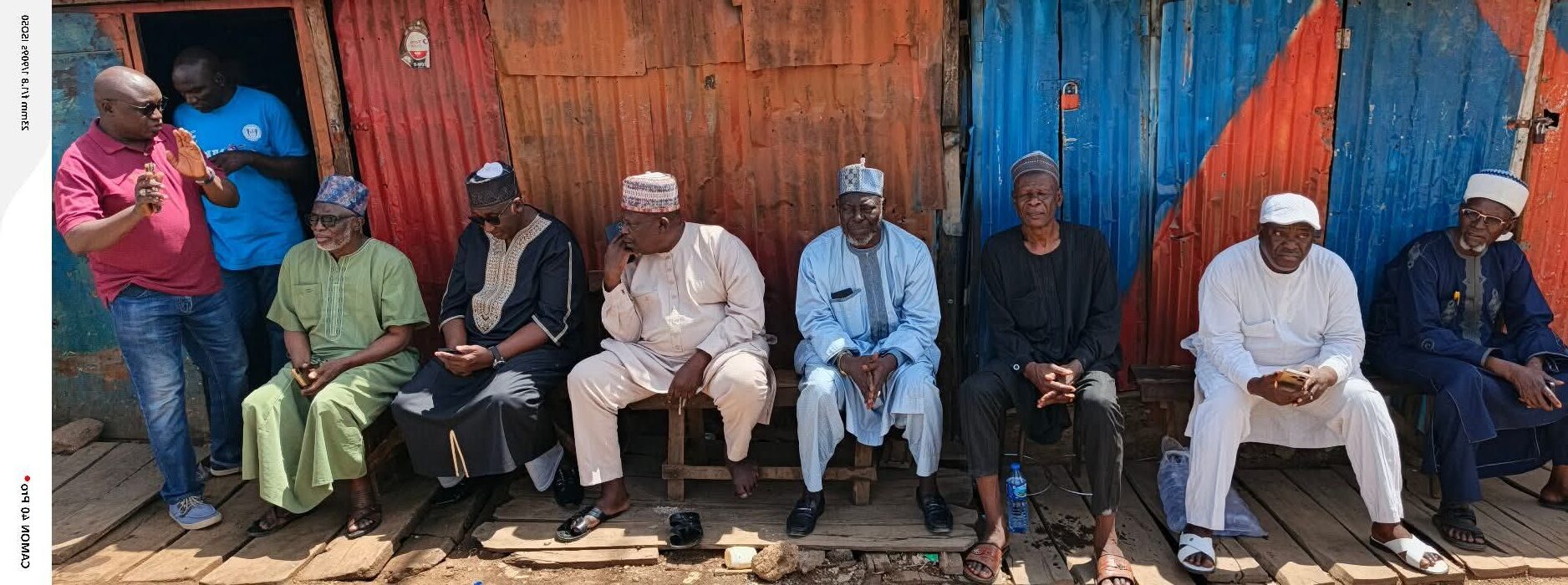
Add us on Google Several individuals and communities in Jos, Plateau State, displayed courage and stood for peace in the past week amid an unrest that threatened to renew a religious crisis that has plagued the state capital and dwindled its fortunes for about a generation. The latest unrest, which began after a fatal attack on the Gari Ya Waye community on Sunday, sent jitters to residents who feared another ‘crisis’ –as residents refer to the persistent unrest– had begun. At least 27 people were confirmed dead from the attack, Christians and Muslims. The attackers remain unknown, and accounts of how they arrived have differed, HumAngle reported. While some said they came in a van, others said they arrived on motorcycles. Two days later, on Wednesday, another unrest broke out in several communities, including Angwan Rukuba Junction, Angwan Rimi and Bauchi Road, raising fresh fears that tested the city’s resilience. Amid the tensions and unrest emerged stories of courage as Muslim and Christian residents protected one another againsr attacks, drawing elations and commendations from other residents. googletag.cmd.push(function() { googletag.display('div-gpt-ad-1672626398022-0'); }); Rescue mission at Angwan Rukuba, Zaria bye-pass Sa’idu Murtala, a Muslim who sells garden eggs, was at Angwan Rukubu when the attack happened in the Christian-dominated area. As chaos erupted, he feared another crisis had begun, and that, as a muslim, he might be targeted. He was looking for a place to hide when a Christian man ushered him into his home and hid Mr Murtala in his wife’s room. “I completely lost my senses, thinking I would be killed because the situation was terrifying as people around me were angry,” he narrated to DailyTrust. Mr Murtala said he spent the night in the house and was offered food before he was escorted to a safe area the following morning. “He knows I am a Muslim because I used to do my business there every day and leave for my area. He knows my faith. My phone, which I gave out for charging, was also returned after the situation had calmed down. All of them know I am a Muslim. I will never forget this man who saved my life,” he said. Sa’idu Murtala, a Muslim man, narrated how a Christian fed and kept him safe. (PHOTO CREDIT: Fix TV Hausa) A 48-hour curfew imposed by Governor Caleb Muftwang immediately after Sunday’s attack briefly calmed the atmosphere as residents remained in their homes on Monday and Tuesday. The curfew was eventually relaxed, beginning on Wednesday morning from 7 a.m. to 3 p.m. However, shortly after the curfew was relaxed, chaos erupted in multiple communities, and before security deployments curbed it, at least one person had been reported dead at Angwan Rukuba junction, a few hundred metres from the location of Sunday’s attack. Several other injuries were reported across different locations. Social media was awash with videos of miscreants attacking people on the streets as residents ran for their lives, shutting stores and returning home for the third consecutive day. Around this time, five water truck pushers of Muslim faith were trapped around Zaria bye-pass, a Christian-dominated community. George Onyenobi, a resident and member of the Jos Radical Collective, told PREMIUM TIMES that the youths in the community had stood on the road leading to the Bingham University Teaching Hospital (BHUTH), popularly called Jankwano from Ola Hospital. “They were all with weapons (mostly sticks), looking for Muslims/Hausas that were passing by,” he narrated to our reporter on Friday in a text. “My compound is fenced and gated, as my neighbours and I asked them to stay back in the compound till all was settled before they could leave.” Mr Onyenobi’s action was first posted on the Jos Radical Collective WhatsApp group and shared on Facebook by another member, Mustapha Almustapha. Mr Onyenobi said they were eventually led out of the community by officers of the State Security Services (SSS) around 3 p.m. on the same day. “They were in my compound from about 10 a.m. till a few minutes to 3 p.m.,” he added. When communities stand for peace In the Gangare area of Jos, community elders sat at the junction with some youths to ensure miscreants did not cause unrest, a resident, Abubakar Nasiru, posted on his Facebook page. A picture he shared showed the community leader, Guda Usman, flanked by the community’s Chief Imam, Sani Babayaro, and others. “The community leader and some Gangare elders sat at the junction with youths to ensure peace and safety of residents and passers by,” Mr Nasiru posted. In Gangare, community leaders sat outside to ensure no one causes mayhem. (PHOTO CREDIT: Abubakar Nasiru on Facebook) He listed others present at the junction to include Ibrahim Gunda, Sani Gangare, Kabiru Gangare, Abubakar Danladi and Alhaji Danlami. In a video seen by this newspaper, youths in Angwan Rogo, another Muslim-dominated community, took two elderly women of Christian faith and handed them over to the military when they arrived. The women had gone to the Farin Gada Market early on Wednesday and were coming back after the unrest began. “Don’t worry. There’s no problem,” one of the men said in the video as they convey the women into the military vehicle. Their actions drew commendations from other residents who saw it on social media, many calling on others to adopt. “This is what we all are expected to be doing,” Ishaku Azi commented on a post by Plateau News Update. “It also happened around Jos Jarawa Dutse Ukwu axis too, where Christians also saved some Muslim brothers.” “This is beautiful. Gangare community has set the pace for others to follow. This is highly commendable,” another social media user, YM Yusuf, wrote. A city torn apart by crises Since 2001, Jos has witnessed recurrent religious unrest usually triggered by a single incident and culminated in days of killings and arson. In 2001, the tragedy began when a young Christian woman tried to cross the road through a congregation of Muslims performing salah on Friday. And in 2008, it was a disputed local government election that quickly turned into religious violence. The pattern continued, leading residents to fear even protests. For instance, the #EndSars protests, where young people across the country protested the activities of the rogue police Special Anti-Robbery Squad (SARS), took a violent turn when thugs invaded the Terminus Market, destroying properties and razing vehicles. During the #EndBadGovernance protests in 2024, it took a 24-hour curfew to forestall violence after hoodlums began attacking businesses and looting wares. The instability of the city gradually polarised communities and settlements, which began to align with religion. Christians moved from Muslim-majority communities, and Muslims moved from Christian-majority areas. The migration became a strategy for survival as residents caught in areas where they are a minority have been attacked and their homes destroyed. The years of unrest also affected businesses, particularly at the popular Terminus Market that usually attracts traders from neighbouring states. However, the city has enjoyed relative peace in recent years, one of the longest streaks since 2008. Peace led to increased interfaith settlements. In areas like Yan trailer, for instance, at least one mosque that had been burned had been recontructed and Muslims now pray five daily prayers there. The Cherubim and Seraphim Church that was burnt and left abandoned for years at Dilimi now has congregants worshipping there again. But the past week has tested the resilience of the city. How attack took religious colouration After Sunday’s attack, social media posts and rhetoric began inflaming tension. The earliest citizen reports about the attack on X attributed it to ‘Fulani Militia’ and ‘Fulani Herdsmen’. It also swiftly riled up youths who believe the attack was targeted at Christians who were celebrating Palm Sunday, one of the most sacred days in Christianity. The location of the attack, a Christian-majority area, also helped fuel the narrative. Before long, the description of the incident as an attack on Christians by social media users, including American missionary Alex Barbir, stirred tensions. “I had no fear because I knew that at that point, Christians were there. The Muslims who came killed those people, innocent men,” Mr Barbir, whose activities have drawn scrutiny among Nigerians, told News Central. Mr Almustapha, the member of the Jos Radical Collective, expressed worry that comments and posts made out of anger during such crises always resurfaced as threats, expanding the cycle of violence. The Jos Radical Collective is a group of young people seeking lasting solutions to the crises in the city. READ ALSO: Jos: The ceaseless bleeding on the Plateau, By Bolutife Oluwadele He explained how social media posts and comments made after some Muslims residents of Jos were killed at Barkin Ladi on their way from Jos to Pankshin in February had been rehashed to tag Sunday’s attack as a revenge mission by muslims even when no evidence to support the claims exists. “The above premise indicated that, anywhere within Jos can be used as a point of instigating another circle of crisis in Jos,” he wrote. But the stories of residents protecting the city’s peace have received commendations. “Out of this unnecessary Jos mayhem, some sense of humanity is coming out. From Muslims rescuing some stranded Christians and handing them over to security for safe escort to Christians rescuing some stranded Muslims and handing them over to security for safe escort,” said Muhammad Suleiman, an academic at Ahmadu Bello University. “Above should be our fulcrum, and better still, stopping the mayhem and killings should be the interest of all of us.” Share this: Click to share on X (Opens in new window) X Click to share on Facebook (Opens in new window) Facebook Click to share on WhatsApp (Opens in new window) WhatsApp Click to share on Telegram (Opens in new window) Telegram Click to share on LinkedIn (Opens in new window) LinkedIn Click to email a link to a friend (Opens in new window) Email Click to print (Opens in new window) Print