Kenya reports four new Ebola Bundibugyo cases, total infections rise to seven
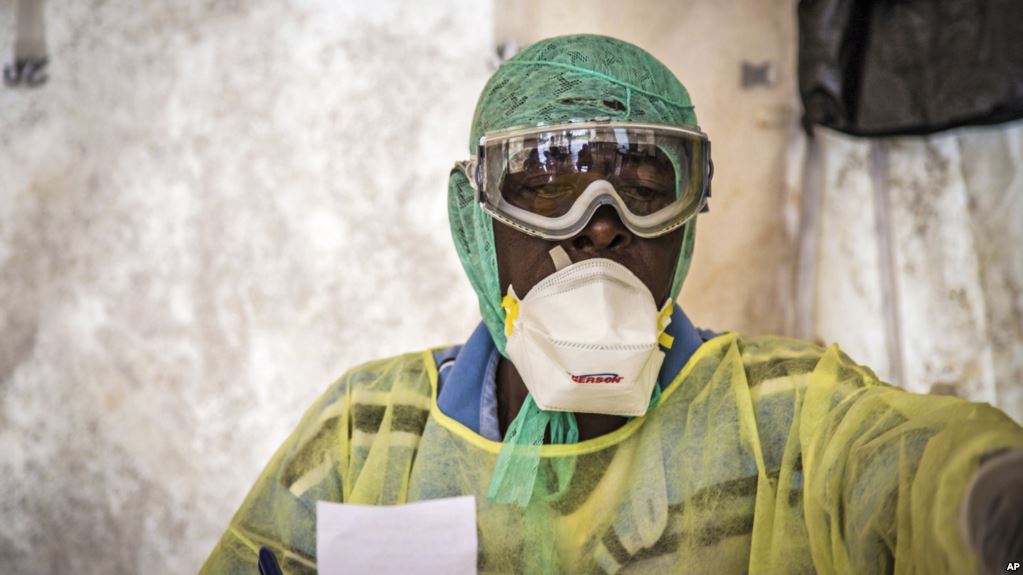
Kenya’s Ministry of Health confirmed four new Ebola Bundibugyo cases on Saturday, October 17, 2026, including three health workers who treated the first patient and a male relative of that patient who arrived from the DRC on October 3. The relative had been in quarantine since October 6 before testing positive, raising the total confirmed infections to seven. The three infected health workers are a 29‑year‑old man, a 35‑year‑old man, and a 32‑year‑old woman; they treated the initial case on October 3‑4 and have been quarantined since October 9. All new cases developed symptoms while already in quarantine.
For Nigerians, this raises the risk of importation through travel. The Nigeria Centre for Disease Control and Prevention (NCDC) said on October 6 that Kenya’s first imported case highlighted the danger of cross‑border spread and that it is working with the Federal Ministry of Health, Port Health Services, state governments and other partners to strengthen surveillance, early detection, laboratory diagnosis, isolation, contact tracing and infection prevention. Nigeria also conducted a national Ebola preparedness simulation exercise and, as of October 6, had zero confirmed cases. Meanwhile, the DRC continues to report a large outbreak with 7,890 confirmed cases and 3,799 deaths as of September 23 (WHO).
Nigerians should stay updated via NCDC alerts, practice standard hygiene such as frequent handwashing and avoiding contact with bodily fluids, avoid non‑essential travel to affected areas, and promptly report any fever or symptoms after travel to health officials. With no vaccine or specific treatment approved for the Bundibugyo strain, supportive care remains the only option. Given the regional spread, will you adjust travel plans, reinforce hygiene habits, or rely on official alerts to stay safe?