Mike Adenuga's legacy proves Nigerian firms can compete globally—here's what it means for you
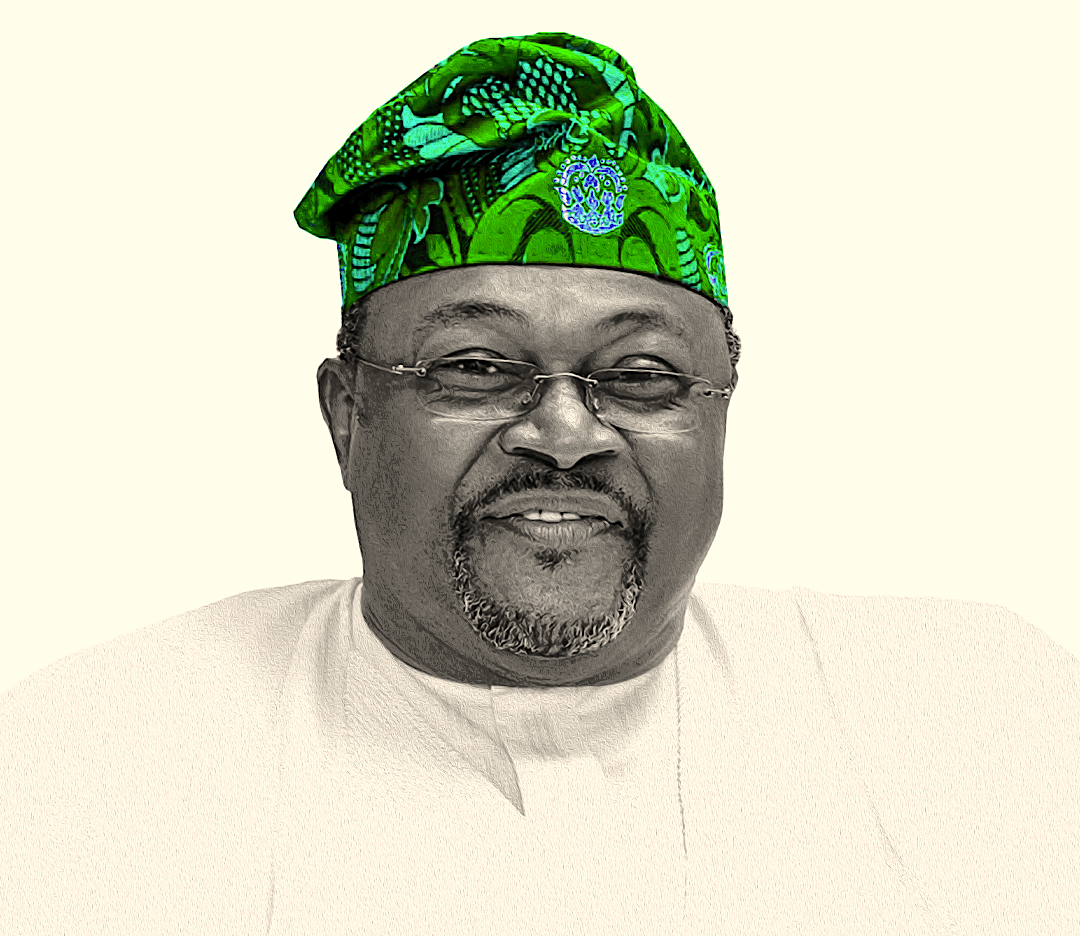
Mike Adenuga Jr. has built Nigerian-owned businesses that challenge foreign dominance across telecom, oil, banking and more for over four decades. His company Globacom, launched in 2003, introduced per-second billing that made mobile services affordable for millions and forced competitors to lower prices. Through investments in the Glo-1 submarine cable and fibre-optic network, Globacom helped establish Nigeria's digital infrastructure while remaining the country's only wholly indigenous telecom giant. In oil and gas, his companies Conoil Producing and Congas demonstrated indigenous capability in a sector long dominated by multinationals, practicing 'local content' before it became policy.
These ventures span banking (early Equitorial Trust Bank investment, now part of Sterling Bank), real estate, aviation, sports and entertainment - touching nearly every sector of Nigeria's economy. By proving Nigerian companies can innovate and compete globally, Adenuga has strengthened indigenous participation in industries previously controlled by foreign interests. His support for football, entertainment and culture has projected Nigerian talent internationally while building national confidence. The article notes he rarely speaks about national development while consistently investing in it through job creation, infrastructure development and sector competition.
Starting from modest beginnings as a New York taxi driver while studying, Adenuga's rise is part of Nigerian entrepreneurial folklore - showing that wealth creation can coincide with industry redefinition. Before Globacom, mobile communication was expensive and limited to few operators; his affordability focus transformed access. His real estate investments shape physical spaces for economic activity, while aviation supports operational efficiency across his business empire rather than serving as mere luxury.
What aspects of Adenuga's approach to building indigenous Nigerian businesses - patient long-term investment, sector disruption through affordability, and quiet execution without publicity - could other entrepreneurs or policymakers apply today to strengthen Nigeria's economic independence?