NCDC confirms zero new Ebola cases after 21 days, warns of dengue and Lassa fever risks
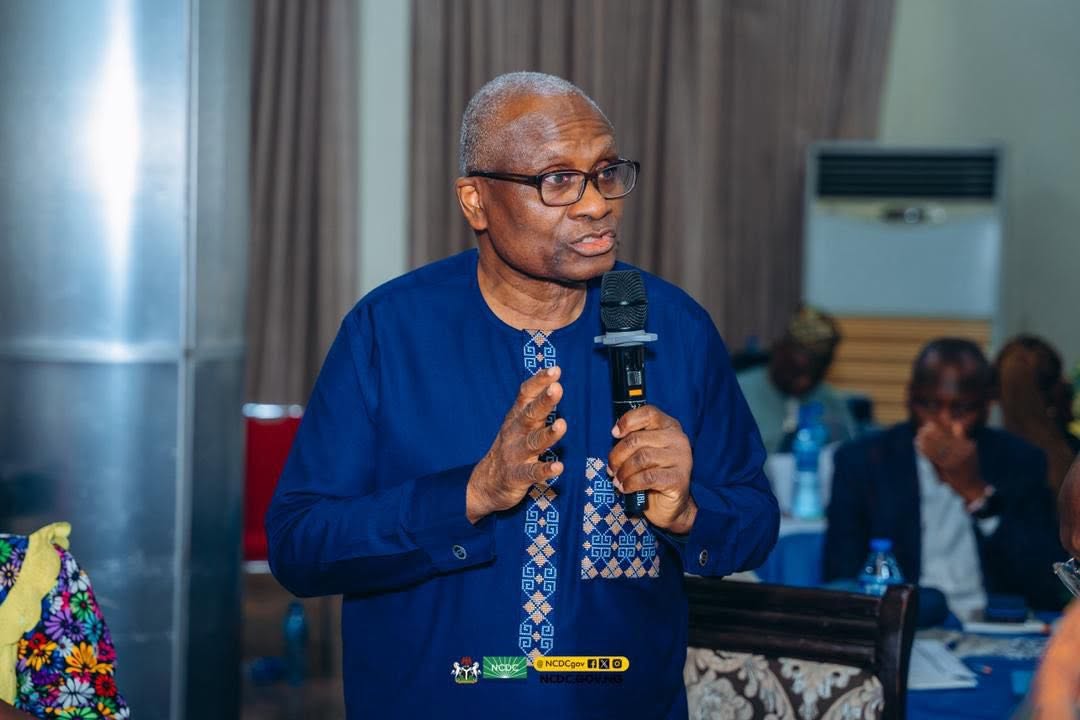
Nigeria has recorded no additional Ebola cases 21 days after confirming a single imported Bundibugyo virus case in a traveller from Uganda, the NCDC announced Tuesday. Director-General Jide Idris stated that as of 9 November 2026, only that one case was confirmed. Thirty-four identified contacts have completed their 21-day monitoring, while 28 others remain under observation.
Beyond Ebola, the NCDC flagged active dengue fever outbreaks in Sokoto and Zamfara states, with chikungunya confirmed in Sokoto. National Rapid Response Teams, including entomologists from the National Arbovirus Research Centre in Enugu, have been deployed to support case identification, lab investigations, mosquito control and community engagement. The agency warned Nigerians not to assume every fever is malaria—dengue and chikungunya cause fever, headache and joint pain, with dengue potentially life-threatening if warning signs are missed.
Healthcare workers are urged to stay alert, screen for travel history, and report suspected Ebola cases immediately. Anyone with symptoms after possible exposure should avoid contact with others and call the NCDC toll-free line 6232 before visiting a health facility. Residents in affected areas should eliminate stagnant water, cover water containers and protect against daytime mosquito bites.
As the dry season advances, the NCDC warned of rising Lassa fever cases historically seen this period, urging states to strengthen surveillance, testing and treatment readiness. Parents should verify children's vaccination status against diphtheria, while event organisers and state authorities should prepare medical access and reporting systems for increased festive-season travel and gatherings.
With multiple disease threats coinciding, will you prioritise mosquito-proofing your home, verify your family's vaccination records, or keep the NCDC hotline 6232 saved for symptom reporting?