Nigeria pushes for two UNSC seats with veto, net‑zero 2060 goal at UNGA
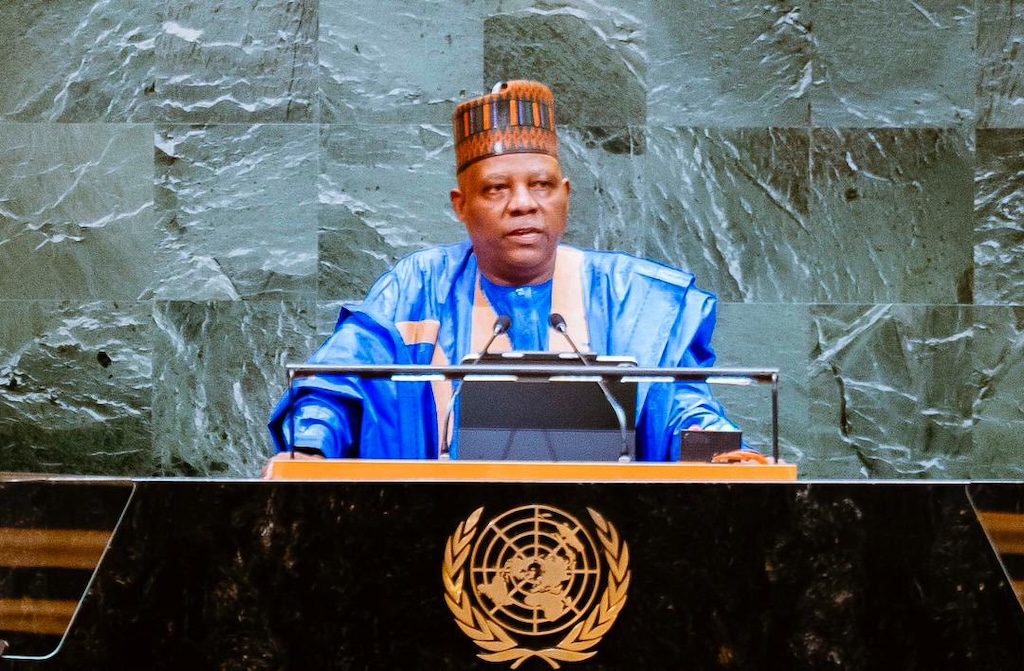
Nigeria’s President addressed the 81st UN General Assembly, congratulating its new president and setting out the country’s foreign‑policy priorities. He called for the UN Security Council to be reformed to give Africa at least two permanent seats with veto power and five non‑permanent seats, citing the Ezulwini Consensus and Sirte Declaration. Nigeria also reiterated its commitment to reach net‑zero emissions by 2060 through its Energy Transition Plan, to invest in digital public infrastructure and AI for development, and to push for reform of the international financial architecture to ease debt burdens while advancing the African Continental Free Trade Area for industrialisation.
These positions matter because securing permanent UNSC seats would give Nigeria and Africa a direct voice on global peace and security decisions, potentially influencing resolutions that affect the continent. The net‑zero target signals a long‑term shift toward renewable energy, opening opportunities in solar, wind and clean‑cooking projects that could create jobs and reduce fuel costs. Investment in digital infrastructure and AI aims to boost Nigeria’s tech sector, improve public services and attract foreign partnership. Debt‑relief advocacy could free fiscal resources for health, education and infrastructure, while AfCFTA implementation promises larger markets for Nigerian manufacturers and farmers.
Readers should know that the UNSC push is a long‑standing demand; success would require continental unity and diplomatic effort. The 2060 climate goal means policies on renewable energy, electric transport and gas as a transitional fuel will shape future energy prices and job markets. Digital and AI initiatives may lead to training programs, broadband expansion and support for startups—areas where skilled youth can participate. Debt reform outcomes will influence government spending and potentially taxes or subsidies. Engaging with AfCFTA opportunities means exploring regional supply chains, adhering to standards and seeking financing for value‑addition.