Nigeria pushes Russia-Africa ties beyond politics to economic results at Moscow summit
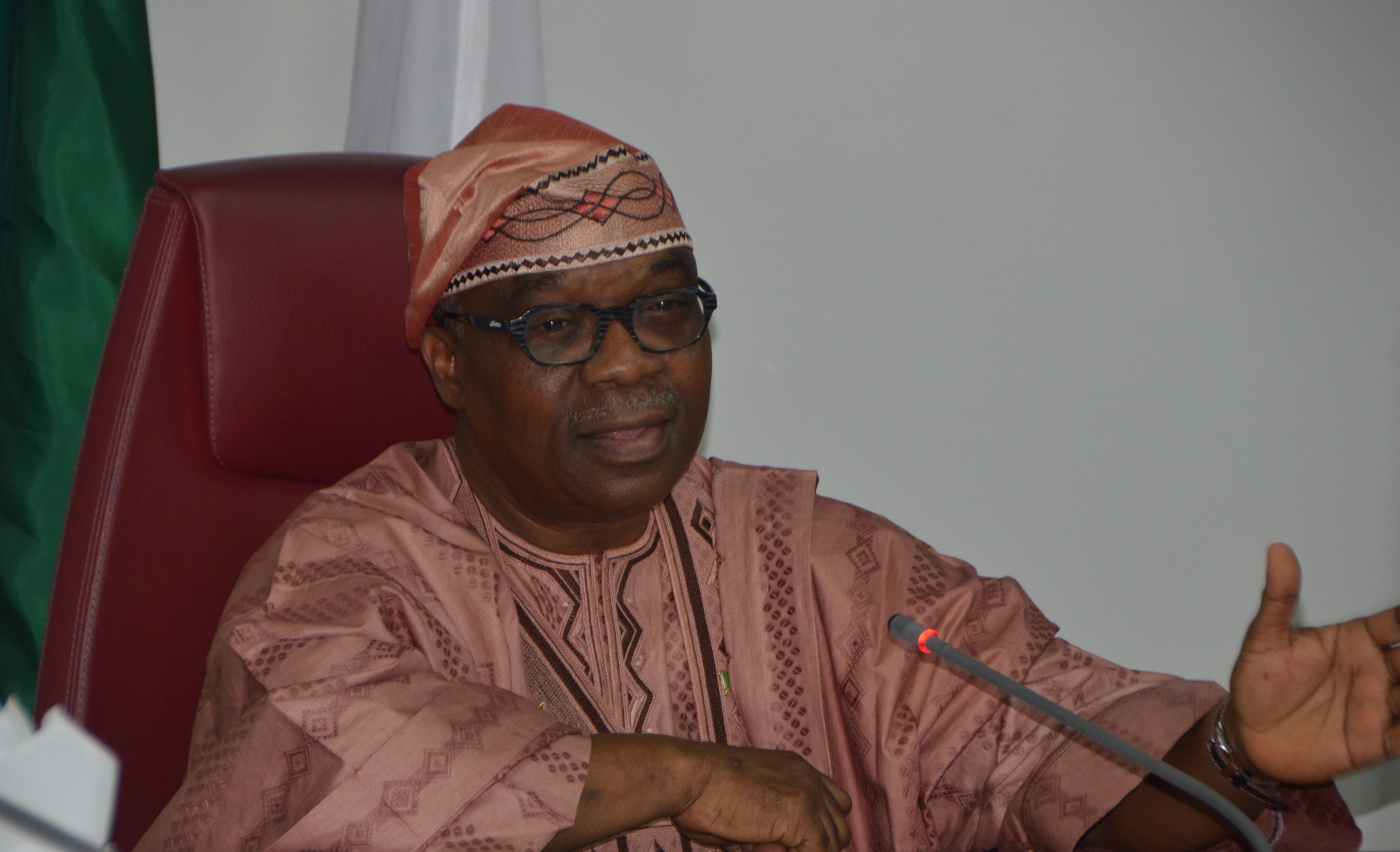
Nigeria told the 3rd Russia-Africa Summit in Moscow today that political solidarity isn't enough—partnership must deliver measurable trade volumes, job creation, and industrial growth. Minister of State for Foreign Affairs, Ambassador Sola Enikanolaiye, said current financial bottlenecks limit business between Russian and African entities and called for improved banking channels and local currency settlement mechanisms to reduce dependency on third-party currencies.
He invited Russian investors to Nigeria as Africa's largest market, highlighting opportunities in renewables, nuclear energy, solid minerals, and manufacturing. Priority cooperation areas: infrastructure, energy, digital economy, and agriculture—sectors critical to Nigeria's diversification agenda. Enikanolaiye stressed private sector participation must drive the relationship, not just government-to-government agreements.
Putin responded that Russia and Africa are natural allies in building a multipolar order, pledging deeper cooperation based on mutual respect. The summit brings African leaders and business executives together to review progress and set a new cooperation framework.
For Nigerian businesses eyeing Russian markets, the push for better payment systems and local currency settlements could ease transactions. But implementation depends on both sides moving beyond summit declarations to actual banking infrastructure.