Nigeria-US Health MoU Aims to Shift $5B Financing to Domestic Control by 2030
Nigeria and the United States signed a health Memorandum of Understanding on December 19, 2025, covering April 2026 to December 2030 to transition health financing from external aid to domestic control. The agreement provides for nearly $2 billion in declining U.S. support over five years while Nigeria plans nearly $3 billion in additional domestic health financing, with Nigeria's co-investment measured as at least 6% of executed annual Federal and State health budgets.
The MoU covers HIV treatment, tuberculosis control, malaria prevention, maternal and child health, laboratory development, health worker training, surveillance systems, and health commodities. Its performance framework tracks viral suppression among people living with HIV, tuberculosis treatment outcomes, malaria deaths, maternal and child survival rates, immunization coverage, and outbreak detection speed.
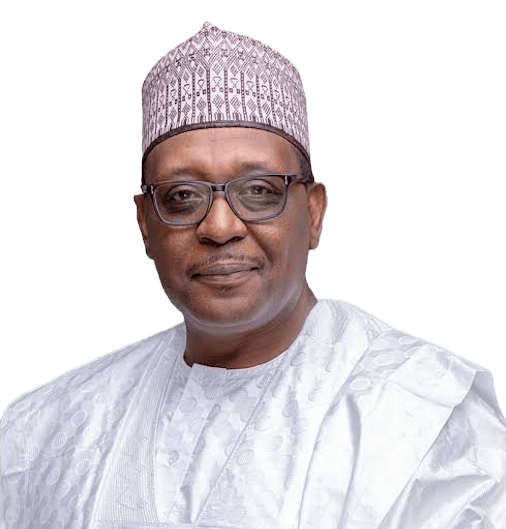
Under the agreement, Nigeria retains full sovereignty over health decisions, with U.S. support channeled increasingly through government-to-government mechanisms. Any citizen can request the MoU text under the Freedom of Information Act for public scrutiny. Muhammad Ali Pate serves as Nigeria's coordinating minister for Health and Social Welfare overseeing implementation.
With Nigeria's 2026 health budget already set at ₦2.48 trillion (6% of budget net of liabilities), the MoU formalizes a path toward reduced aid dependency while preserving essential health services as international financing evolves. Will this shift toward domestic financing strengthen Nigeria's health system resilience, or create gaps as external support declines over the next five years?