Nigeria's 2026 Forex Trading Shift: Why Mobile Apps And Transparency Are The New Standard
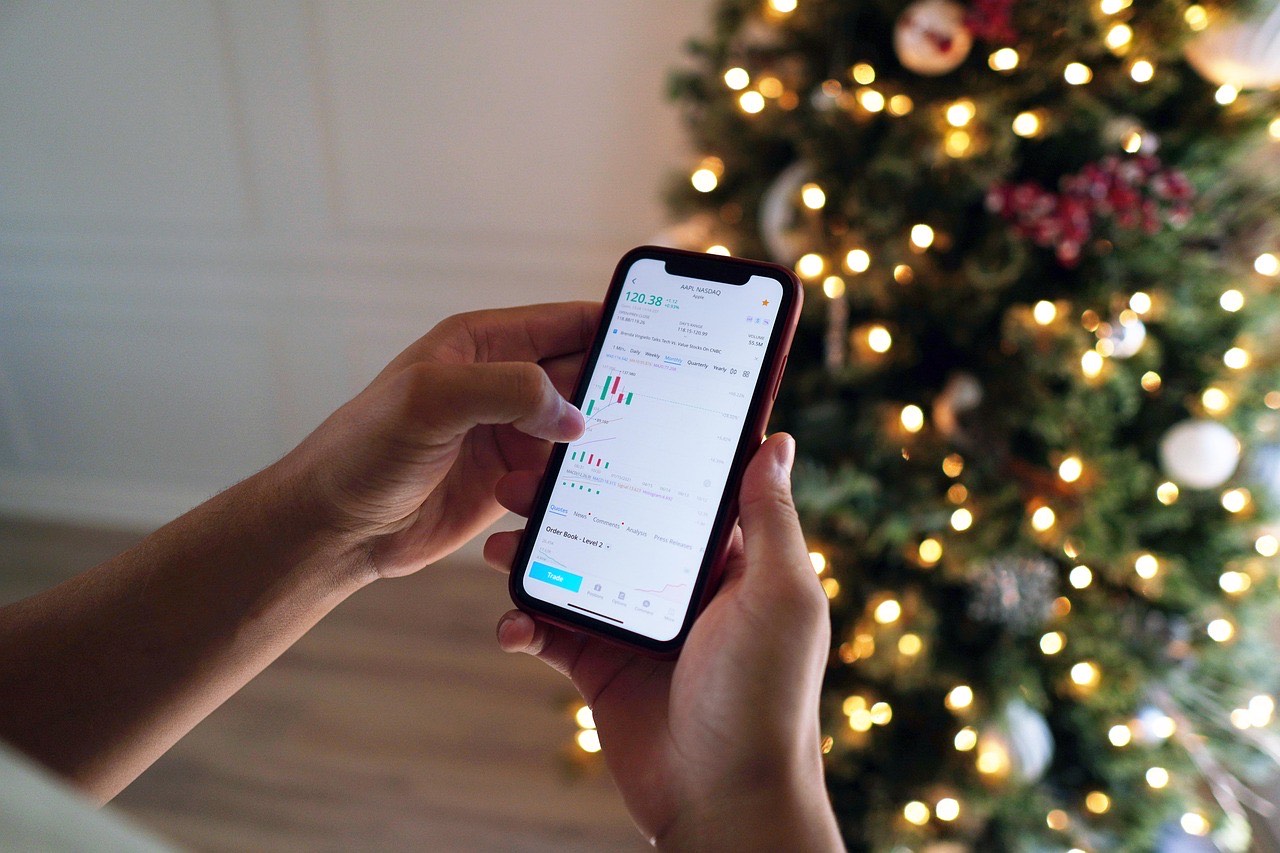
Nigeria's retail trading scene is splitting between casual speculation and structured participation as 2026 begins. Traders are demanding reliable pricing, consistent execution, and platforms supporting disciplined risk management. Policy reforms are pushing institutions toward clearer reporting and tighter oversight of FX transactions, accelerating mobile app adoption since they let traders react quickly while tracking exposure, costs, and performance better than informal channels. As transparency becomes competitive advantage, apps with cleaner data and clearer reporting are winning attention.
Reforms are changing what traders expect from Nigeria's FX environment, which historically had liquidity constraints and gaps between official pricing and street expectations. Better transparency raises the minimum standard—when traders see clear reporting on spreads, swaps, and order fills, it becomes harder for low quality platforms to hide behind vague terms. This encourages comparison and pressure on quality. Better reporting also supports better habits, helping traders track true costs including spreads and rollover charges, linking outcomes to decisions rather than guessing. This shifts markets from impulse trading to repeatable systems.
Mobile forex apps grow faster in Nigeria because mobile adoption fits real schedules. Traders manage jobs, businesses, and family responsibilities while tracking 24-hour markets. Phones provide consistent access to charts, alerts, and controls. Mobile-first access lets traders monitor positions between meetings, set alerts during commutes, and reduce risk quickly during volatility spikes—critical where power and internet quality vary. Improved app design makes advanced trading practical, with features like advanced order types, partial closes, trailing stops, and detailed metrics previously requiring desktop terminals now available on mobile.
Transparency features traders now look for include clear cost breakdowns and execution records showing spread conditions, swap charges, and final fill prices compared to requested prices, with timestamps and order status history for review. Strong identity controls and account safety features like clear login history, strong verification options, and recovery steps build confidence.
Professional mobile tool use means using alerts and watchlists to reduce emotional trading, focusing on key levels and major sessions, acting only when markets match plans. Journals and analytics improve consistency by highlighting win rates, average profit, loss, and trade duration, helping traders identify setups working best in Nigeria's conditions.
2026 outlook suggests platforms competing on trust and data quality—detailed statements, consistent quote behavior, and clear trade confirmations will differentiate winners. Traders shifting toward process and risk control will stand out, while those relying on luck feel more exposed. The opportunity is using mobile tools to build disciplined processes fitting real life while staying aligned with transparent markets.
With Nigeria's forex environment evolving toward clearer standards, will you demand transparent reporting from your platform, use mobile tools to build systematic trading habits, or continue trading without clear cost and performance visibility?