Nigeria's disease outbreak detection under threat as health funding dries up
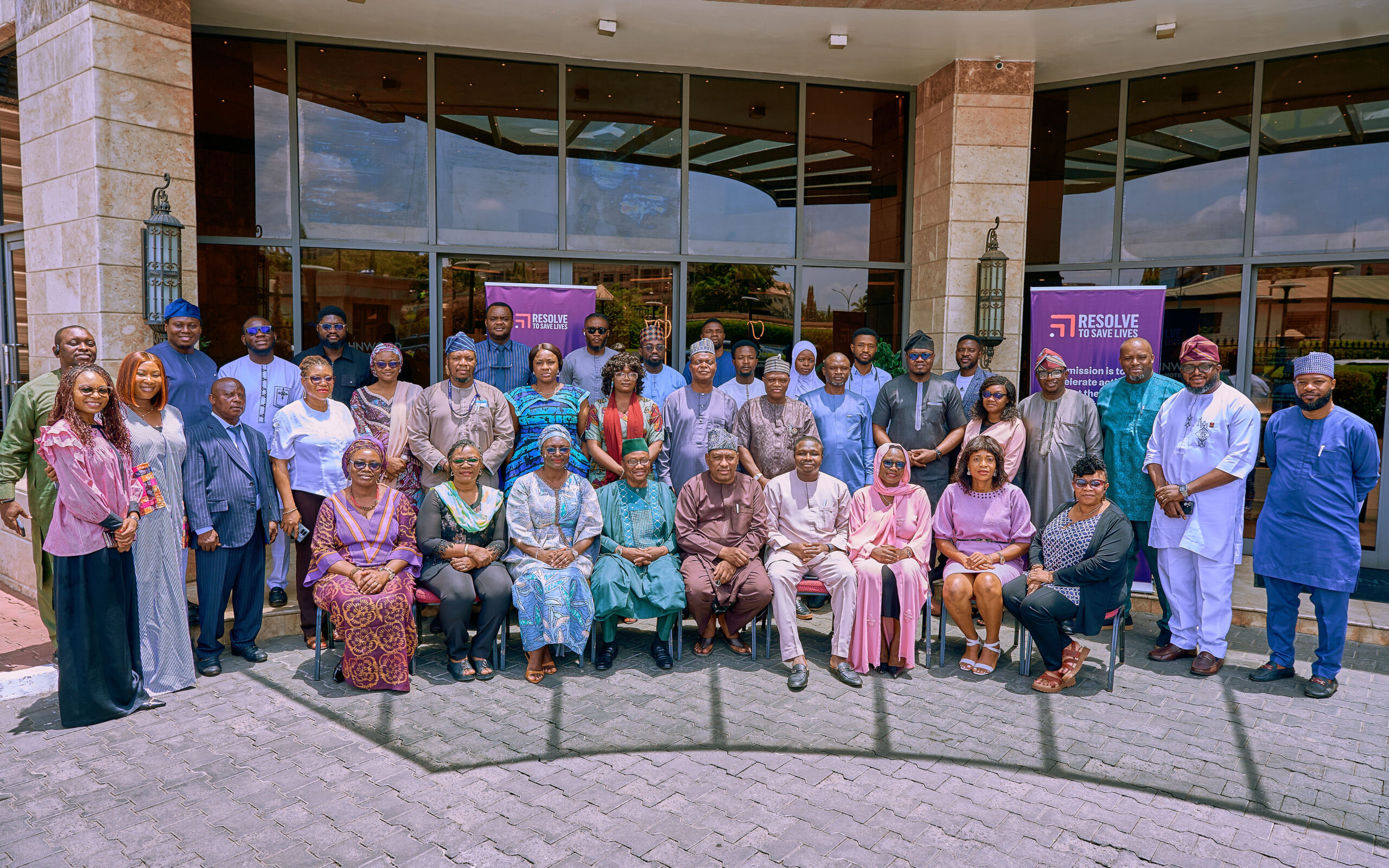
Nigeria's ability to detect and respond to disease outbreaks is weakening due to funding disruptions, according to a new report by Resolve to Save Lives (RTSL). The report warns that key health security systems - including disease surveillance, laboratory services, and specimen transport networks - are becoming increasingly vulnerable as external funding declines and domestic financing gaps persist. RTSL Nigeria's Executive Director, Nanlop Ogbureke, described the situation as a 'defining moment' for the country's health sector, noting that while Nigeria has benefited from years of donor investments, recent funding disruptions - particularly from the United States - have exposed system fragility. The report finds that although short-term donor funding remains stable, the window is narrowing, and decisions now will determine whether Nigeria consolidates or fragments its health systems. Funding cuts have already affected surveillance coverage, laboratory turnaround times, and workforce stability, particularly at state levels where outbreaks are first detected. Structural inefficiencies like multiple parallel surveillance platforms and disease-specific networks increase costs without improving outcomes. Despite these challenges, Nigeria has the building blocks for a resilient system but lacks coordination and integration. Stakeholders see this as an opportunity for reform, urging Nigeria to integrate systems, stabilize the workforce, and move toward more efficient, integrated service delivery.