Panic as CNG bus explodes at Kaduna motor park
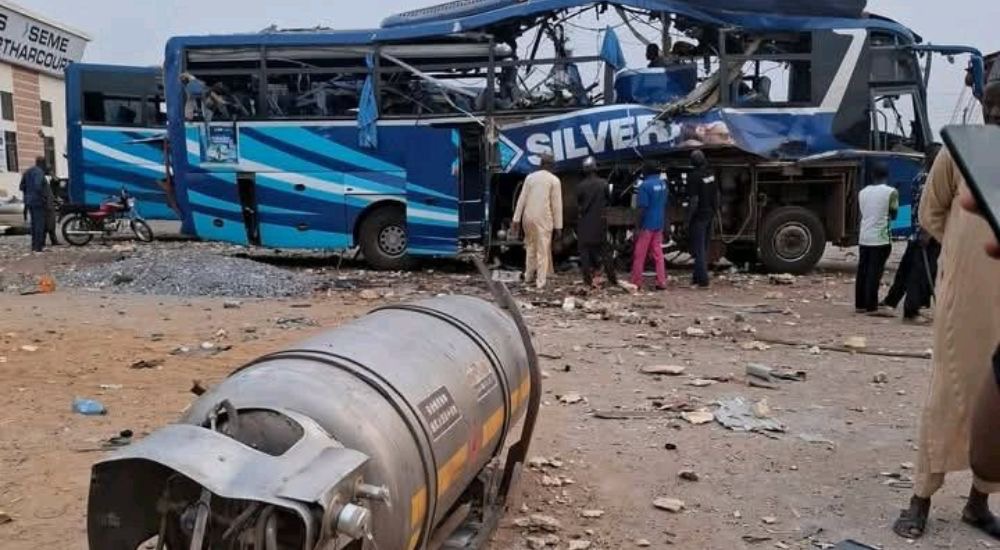
Add us on Google A Compressed Natural Gas (CNG) powered bus exploded at a transport terminal in Kaduna State, raising concerns over the safety of gas-powered vehicles in Nigeria’s public transport system. The explosion, which occurred on Sunday at about 2 a.m., tore through at least one luxury bus and affected another, scattering debris across the terminal. Umar Mohammed, a worker at the Mando motor park, said the incident was not a security attack but a gas-related explosion. “It was a big blast, tearing a luxurious bus apart—in fact, two buses. People are clearing the debris, and for now, we cannot say if there are any injuries or even deaths. Everywhere is calm,” he said. He noted that the timing of the blast—when there was minimal human movement—may have reduced the risk of casualties. Residents around the popular motor park said the loud explosion caused panic in surrounding areas, although calm has since been restored. Efforts to reach the police spokesperson in Kaduna were unsuccessful, as calls to the official line went unanswered. A police officer at a division in Mando said he could not comment on the incident, noting he was not authorised to speak. Authorities are yet to confirm casualty figures or the exact cause of the explosion, but investigations are expected to focus on possible mechanical failure, poor handling of gas systems, or lapses in safety compliance. Nigeria’s push for CNG transport The adoption of CNG-powered buses forms part of Nigeria’s strategy to cushion the impact of rising fuel costs and transition to cleaner energy alternatives. Following fuel subsidy reforms, governments across the country have accelerated the rollout of gas-powered mass transit systems to reduce transportation costs for citizens. In Kaduna State, authorities introduced a fleet of CNG buses to provide subsidised—and in some cases free—transport services to residents. The initiative quickly gained traction, moving large numbers of passengers daily and offering relief amid economic pressures. At the national level, the programme aligns with broader efforts to leverage Nigeria’s vast natural gas reserves, reduce reliance on petrol, and cut transport-sector emissions. Safety questions come to the fore Despite its economic and environmental benefits, experts warn that CNG technology requires strict adherence to safety protocols. These include proper installation of gas cylinders, routine inspections, and trained personnel to manage fueling and maintenance systems. Any lapse, they say, could result in catastrophic incidents. The Kaduna explosion is expected to intensify calls for stronger regulatory oversight, improved infrastructure, and public awareness as Nigeria deepens its transition to gas-powered transportation. Share this: Click to share on X (Opens in new window) X Click to share on Facebook (Opens in new window) Facebook Click to share on WhatsApp (Opens in new window) WhatsApp Click to share on Telegram (Opens in new window) Telegram Click to share on LinkedIn (Opens in new window) LinkedIn Click to email a link to a friend (Opens in new window) Email Click to print (Opens in new window) Print