Professor Warns Nigeria's Democracy Eroding Amid Electoral Fraud Trends
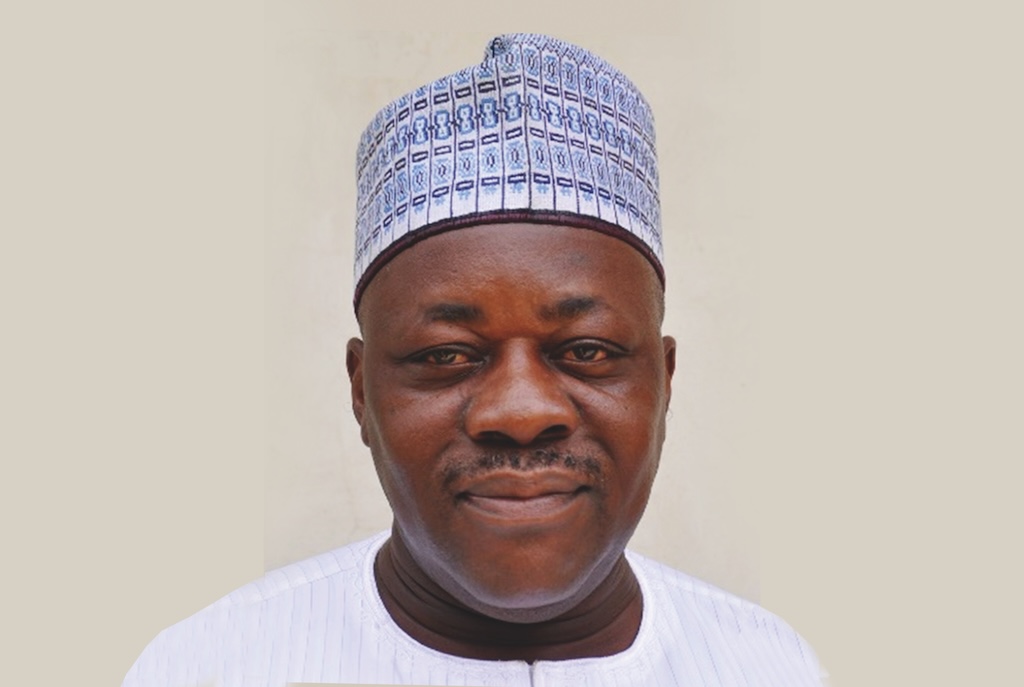
At a workshop organised yesterday by the Alumni Association of the National Association of Security Studies in Abuja, INEC Chairman Joash Amupitan SAN pledged that electoral administration will be anchored on the Constitution and Electoral Act, promising free, fair, credible elections. Lead presenter Barrister Mike Igini, a former INEC Resident Electoral Commissioner, outlined challenges, but Professor Jibrin Ibrahim—PREMIUM TIMES Editorial Board Chair—delivered a dire diagnosis: Nigeria's democracy faces systemic erosion.
Ibrahim argued that electoral fraud—vote-buying, ballot stuffing, result manipulation—has become routine, eroding public trust. Political elites manipulate ethnic and religious identities, while money politics turns votes into commodities, deepening voter apathy as citizens feel their mandate no longer counts. He noted this isn't unique to Nigeria: across Africa—from Tanzania's jailing of opposition to Congo, Guinea, Cameroon, Uganda—elections increasingly mean repression, not democracy. Only Ghana, Senegal, South Africa, and Mauritius maintain some integrity.
In Nigeria, he raised sharp questions: Can a level playing field exist? Why are opposition state governors defecting to the ruling APC? Why is there selective prosecution of opposition figures for corruption while defectors are shielded? With civic space shrinking, gerontocratic autocracies entrenched, and youth unemployment ignored, Ibrahim fears a return to 1970s/80s arbitrary rule. His central question: Can 'we the people' rescue democracy before voter apathy makes change impossible?