Reps probe insurance gaps in N1.12tn Anchor Borrowers Scheme
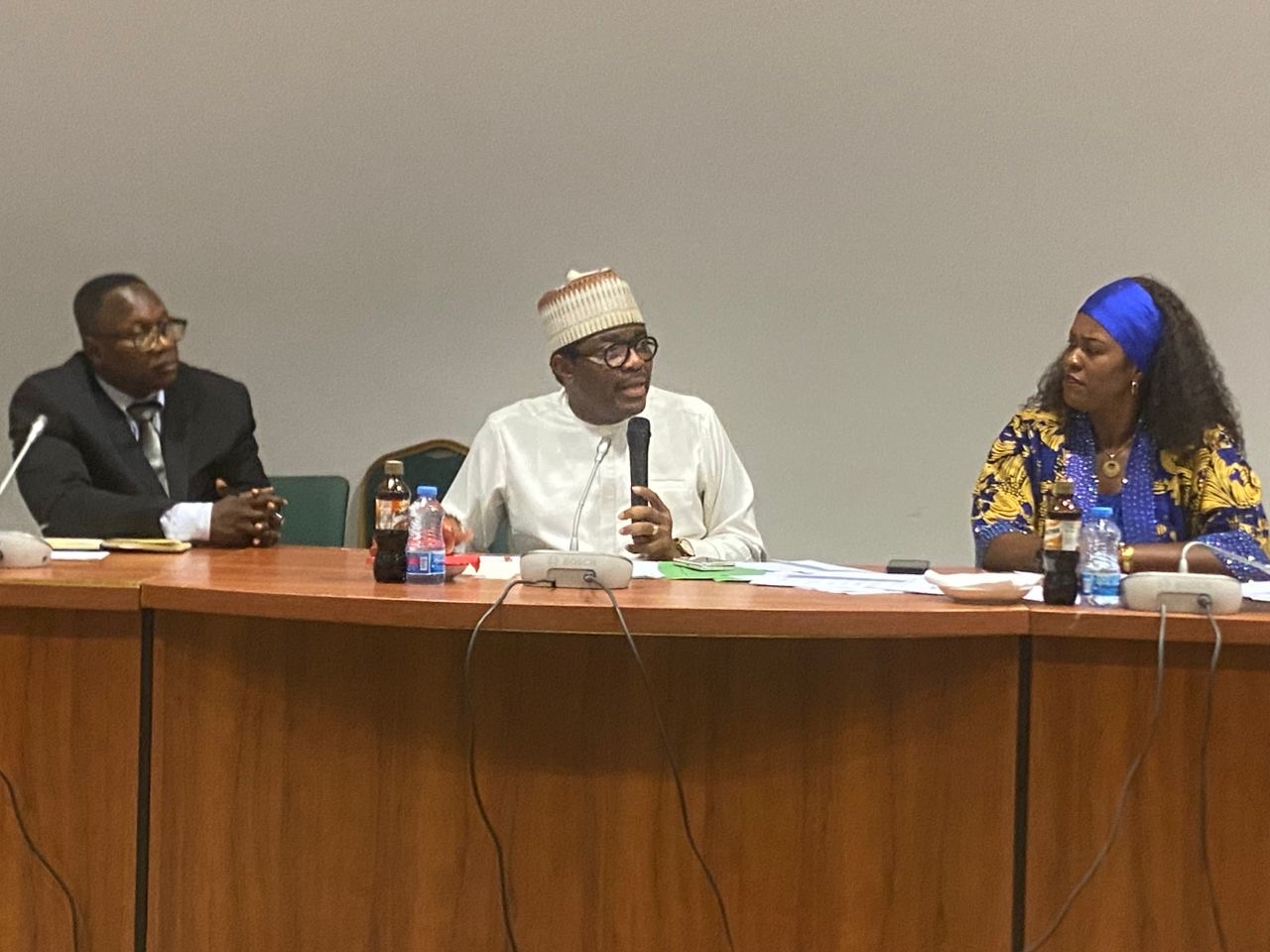
Add us on Google The House of Representatives has intensified its investigation into the controversial N1.12 trillion Anchor Borrowers Programme, with a fresh focus on the level of insurance coverage provided to beneficiaries. At an investigative hearing on Thursday, the House Committee on Nutrition and Food Security, chaired by Chike Okafor (APC, Imo), examined the role of insurers in the scheme amid wider concerns over alleged diversion and mismanagement of funds by Ministries, Departments and Agencies, as well as participating financial institutions. The ongoing probe stems from a House resolution on 1 July 2025, mandating relevant committees to investigate alleged misuse of agricultural funds and interventions managed by government agencies outside the Federal Ministry of Agriculture and Food Security. A representative of the Managing Director of the Nigerian Agricultural Insurance Corporation (NAIC), Dayo Babaronti, told lawmakers that the corporation insured only 207,514 farmers, covering about N109 billion under the programme, a fraction of the total intervention. Stay Ahead with Premium Times Follow us on Google News and never miss breaking stories, investigations, and in-depth reporting. Add as a preferred source on Google /* 1. Wrapper & Container / .gn-wrapper { width: 100%; padding: 20px 0; display: flex; justify-content: center; } .gn-card { width: 100%; max-width: 600px; background: #ffffff; padding: 28px; border-radius: 16px; border: 1px solid #e0e0e0; box-shadow: 0 4px 12px rgba(0,0,0,0.08); font-family: 'Segoe UI', Roboto, Helvetica, Arial, sans-serif; } / 2. Header & Premium Times Logo / .gn-header { display: flex; align-items: center; gap: 14px; margin-bottom: 16px; } .gn-logo { height: 36px; / Slightly larger to balance the new text sizes / width: auto; object-fit: contain; } .gn-title { font-size: 22px; margin: 0; color: #1a1a1a; font-weight: 800; } / 3. The Bold Description / .gn-description { font-size: 18px; / Larger size / font-weight: 600; / Bolder weight / color: #202124; / Darker for readability / margin: 0 0 24px 0; line-height: 1.5; } / 4. The High-Impact Button / .gn-button { display: inline-flex; align-items: center; gap: 12px; padding: 14px 24px; border: 1px solid #dadce0; border-radius: 30px; / Modern pill shape / text-decoration: none; background: #ffffff; color: #3c4043; transition: all 0.2s ease-in-out; box-shadow: 0 1px 2px rgba(60,64,67,0.1); } .gn-button-text { font-size: 17px; / Increased font size / font-weight: 700; / Maximum boldness / letter-spacing: 0.1px; } .gn-button:hover { background: #f8f9fa; border-color: #d2d2d2; box-shadow: 0 2px 4px rgba(60,64,67,0.2); transform: translateY(-1px); } .gn-icon { width: 22px; / Matched to larger text size / height: 22px; object-fit: contain; } / 5. 📱 Mobile Optimization / @media (max-width: 480px) { .gn-card { padding: 20px; } .gn-header { flex-direction: column; align-items: flex-start; gap: 10px; } .gn-title { font-size: 20px; } .gn-description { font-size: 16px; } .gn-button { width: 100%; justify-content: center; box-sizing: border-box; padding: 14px 10px; } .gn-button-text { font-size: 15px; / Scaled slightly for small screens / } } He added that “NAIC accounted for just 12 per cent of the scheme’s insurance coverage.” Mr Babaronti further disclosed that the Central Bank of Nigeria (CBN) departed from the programme’s original framework, which designated NAIC as the sole insurer, by engaging two additional firms – Veritas Kapital Insurance and Leadway Insurance. Both companies were absent from the hearing. Providing a breakdown of NAIC’s involvement in related interventions, he said the corporation covered only about N8.25 billion out of the N250 billion Nigeria Incentive-Based Risk Sharing System for Agricultural Lending (NIRSAL) facility for smallholder farmers. He also stated that NAIC insured just N715 million for 80 hectares of ginger farms, despite a N1.6 billion allocation for the project. In the Bank of Industry’s Agro and Food Processor Scheme, the corporation was reportedly not engaged at all, contrary to the programme’s guidelines. Following the presentation, Mr Okafor said the committee would invite NAIC again after reviewing its submission, which was received late on Wednesday, limiting lawmakers’ ability to scrutinise the documents. He noted that the panel had received multiple complaints from farmers and commodity associations regarding inadequate insurance coverage. In his remarks, the committee chair said the probe aims to uncover factors that undermined federal government interventions designed to boost food production. READ ALSO; Reps panel backs N248bn relief, 10-year restructuring plan for Kano, Jos, Ikeja DisCos Preliminary findings, he added, suggest that key stakeholders, particularly farmers and their associations, were largely excluded from the design of programmes such as the Anchor Borrowers Scheme, contributing to their poor performance. “The reason we are here is because the programmes did not succeed 100 per cent. If they had, we will not be here,” he said. About Anchor Borrowers The Anchor Borrowers Programme, introduced in 2015 by the Central Bank of Nigeria (CBN), is a federal government intervention designed to boost agricultural production, particularly among smallholder farmers. The scheme provides loans, often in cash and farm inputs to farmers, who are then linked to large-scale processors (known as “anchors”) that purchase their produce at agreed prices. It was conceived to reduce food imports, stabilise commodity prices and enhance food security. Share this: Click to share on X (Opens in new window) X Click to share on Facebook (Opens in new window) Facebook Click to share on WhatsApp (Opens in new window) WhatsApp Click to share on Telegram (Opens in new window) Telegram Click to share on LinkedIn (Opens in new window) LinkedIn Click to email a link to a friend (Opens in new window) Email Click to print (Opens in new window) Print Stay Ahead with Premium Times Follow us on Google News and never miss breaking stories, investigations, and in-depth reporting. Add as a preferred source on Google / 1. Wrapper & Container / .gn-wrapper { width: 100%; padding: 20px 0; display: flex; justify-content: center; } .gn-card { width: 100%; max-width: 600px; background: #ffffff; padding: 28px; border-radius: 16px; border: 1px solid #e0e0e0; box-shadow: 0 4px 12px rgba(0,0,0,0.08); font-family: 'Segoe UI', Roboto, Helvetica, Arial, sans-serif; } / 2. Header & Premium Times Logo / .gn-header { display: flex; align-items: center; gap: 14px; margin-bottom: 16px; } .gn-logo { height: 36px; / Slightly larger to balance the new text sizes / width: auto; object-fit: contain; } .gn-title { font-size: 22px; margin: 0; color: #1a1a1a; font-weight: 800; } / 3. The Bold Description / .gn-description { font-size: 18px; / Larger size / font-weight: 600; / Bolder weight / color: #202124; / Darker for readability / margin: 0 0 24px 0; line-height: 1.5; } / 4. The High-Impact Button / .gn-button { display: inline-flex; align-items: center; gap: 12px; padding: 14px 24px; border: 1px solid #dadce0; border-radius: 30px; / Modern pill shape / text-decoration: none; background: #ffffff; color: #3c4043; transition: all 0.2s ease-in-out; box-shadow: 0 1px 2px rgba(60,64,67,0.1); } .gn-button-text { font-size: 17px; / Increased font size / font-weight: 700; / Maximum boldness / letter-spacing: 0.1px; } .gn-button:hover { background: #f8f9fa; border-color: #d2d2d2; box-shadow: 0 2px 4px rgba(60,64,67,0.2); transform: translateY(-1px); } .gn-icon { width: 22px; / Matched to larger text size / height: 22px; object-fit: contain; } / 5. 📱 Mobile Optimization / @media (max-width: 480px) { .gn-card { padding: 20px; } .gn-header { flex-direction: column; align-items: flex-start; gap: 10px; } .gn-title { font-size: 20px; } .gn-description { font-size: 16px; } .gn-button { width: 100%; justify-content: center; box-sizing: border-box; padding: 14px 10px; } .gn-button-text { font-size: 15px; / Scaled slightly for small screens */ } }