Saudi, Pakistan, Turkiye sign Mecca defence pact to boost security
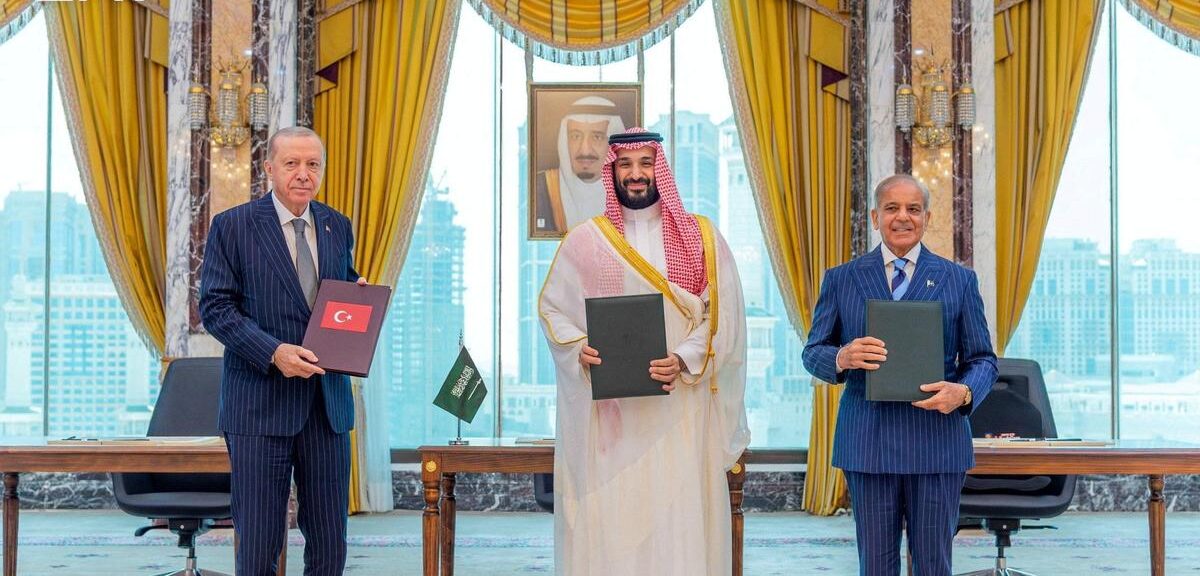
Saudi Crown Prince Mohammed bin Salman, Turkish President Recep Tayyip Erdogan and Pakistan's Prime Minister Shehbaz Sharif signed the Mecca Joint Defence Agreement on Friday in Islam's holiest city. The pact states that an armed attack against any one of the three Sunni-majority states will be treated as an attack on all, and calls for deeper cooperation across all defence domains. Officials said the deal is meant to strengthen collective deterrence and is not linked to nuclear ambitions or an arms race.
The agreement comes as Saudi Arabia faces repeated Houthi missile strikes on its oil facilities and grapples with fallout from the ongoing US-Iran conflict that has shaken Gulf security. Although Turkiye and Pakistan have not been directly attacked, they say the pact helps calm regional tensions that threaten their economies.
For Nigerians, the deal could influence oil prices, affect the safety of the large Nigerian diaspora working in Saudi Arabia, and shape future defence procurement opportunities in the Gulf. With the pact aiming to create a more self-reliant defence bloc, investors and expatriates may want to monitor how it shifts regional risk calculations.
Will tighter Gulf defence ties make your investments or job prospects in the region more secure, or should you brace for possible shifts in oil-market volatility and security guarantees?