Smoking, alcohol raise women’s risk of HPV infection, cervical cancer – NIMR
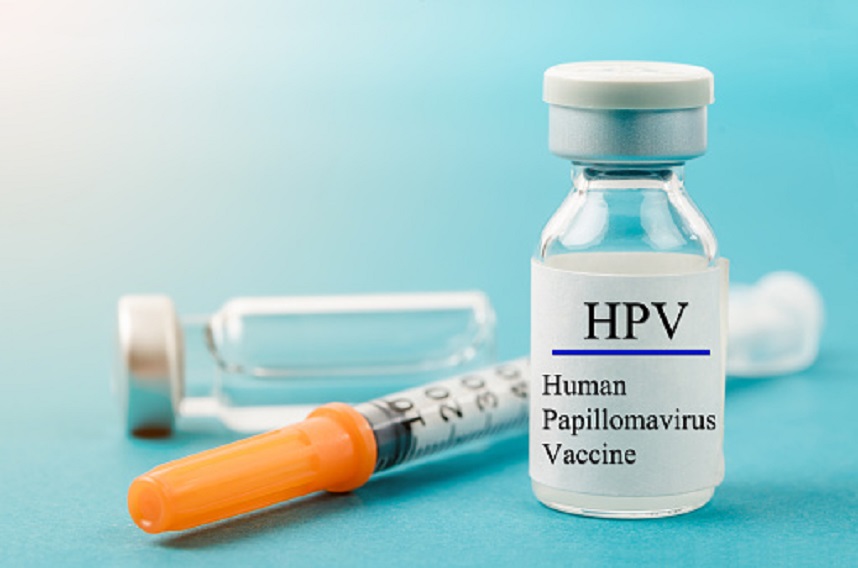
Women who smoke cigarettes and consume alcohol face a significantly higher risk of contracting the Human Papillomavirus (HPV), researchers at the Nigerian Institute of Medical Research (NIMR) have warned. The researchers gave the warning at the February edition of the institute’s monthly media chat held in Lagos, according to a report by The PUNCH. The researchers, citing a study conducted at the institute and titled Human Papillomavirus Molecular Detection and Genotyping Studies, said their findings show a strong link between certain lifestyle habits and infection with high-risk strains of HPV, the leading cause of cervical cancer globally. The Deputy Director of Research and Head of the Central Research Laboratory at NIMR, Chika Onwuamah, said the study analysed behavioural and clinical data from 985 participants. Mr Onwuamah said women who smoke have an odds ratio of 2.6 for HPV infection, while those who consume alcohol have an odds ratio of 1.7. He added that women who take both alcohol and smoke cigarettes have a higher HPV infection rate compared to those who do not smoke or take alcohol (odds ratio 2.4). He also explained that alcohol consumption and smoking may indirectly increase exposure to HPV. “We postulate that engaging in these lifestyles may increase risky sexual practices while intoxicated or high, leading to higher HPV infection rates,” he added. High-risk groups identified Mr Onwuamah said researcher found that HPV infections were highest among pregnant women and female commercial sex workers, reaffirming that being sexually active, especially with multiple partners, is a risk factor for HPV infection. He noted that women who smoke and drink could be targeted for risk reduction programmes, particularly heavy consumers of strong alcoholic drinks. HPV and cervical cancer burden According to the World Health Organisation (WHO), cervical cancer remains a major health concern in Nigeria and other low- and middle-income countries. Globally, it is the fourth most common cancer among women, while in Nigeria, it is the third most common cancer and the second leading cause of cancer-related deaths among women aged 15 to 44. WHO estimates that about 604,000 new cases of cervical cancer and 342,000 deaths were recorded in 2020, with nearly 90 per cent of deaths occurring in low- and middle-income countries, including Nigeria. The health organisation also estimates that Nigeria records over 12,000 new cervical cancer cases and close to 8,000 deaths annually, largely driven by persistent infection with high-risk HPV types, particularly types 16 and 18, which account for the majority of cervical cancer cases worldwide. The global health agency warned that without improved vaccination and screening coverage, the burden could continue to rise. Nigeria officially introduced the HPV vaccine into its routine immunisation schedule on 24 October 2023, targeting girls aged nine to 14 years, to prevent the strains that cause cervical cancer with the aim to vaccinate 7.7 million girls in the first major phase. PREMIUM TIMES reported that through continued immunisation campaigns, over 13 million adolescent girls have received HPV vaccine doses across all 36 states and the FCT by April 2025. Mr Onwuamah said HPV consists of over 200 related types, but about 15 are classified as high-risk because they can lead to cancer. “These high-risk types cause cells to change gradually, and over time, that can result in cancer. The real issue arises with persistent infection, when the virus resists clearance,” he explained. He added that about 90 per cent of HPV infections are cleared naturally by the immune system, especially in young people under 30. 22 deaths recorded daily Also speaking, the Director of Research at NIMR, Oliver Ezechi, said an estimated 22 women die daily from cervical cancer in Nigeria, while about 33 women are diagnosed each day. Mr Ezechi said in many cases, women only present at stage three or stage four, when serious damage has already occurred, adding that they wait until symptoms appear, and by then, it may already be an advanced disease. Despite the statistics, the researchers stressed that cervical cancer is preventable. Mr Ezechi identified two main prevention strategies including vaccination of young girls before exposure to HPV and screening to detect early cellular changes before cancer develops. “One of the major challenges we’ve faced is low screening uptake. Women without symptoms rarely come for screening,” he said. He added that screening methods are evolving from detecting visible cellular changes through Pap smears and other techniques to HPV DNA testing using PCR, which allows earlier detection. He noted that the vaccine introduced into Nigeria’s national immunisation programme covers the HPV types responsible for about 80 to 90 per cent of cervical cancer cases, particularly types 16, 18 and 45. The researchers urged women to take advantage of vaccination and screening services, stressing that early action remains the most effective defence against cervical cancer. Share this: Click to share on X (Opens in new window) X Click to share on Facebook (Opens in new window) Facebook Click to share on WhatsApp (Opens in new window) WhatsApp Click to share on Telegram (Opens in new window) Telegram Click to share on LinkedIn (Opens in new window) LinkedIn Click to email a link to a friend (Opens in new window) Email Click to print (Opens in new window) Print