South Africa disinvited from G7 summit amid US pressure, Kenya invited
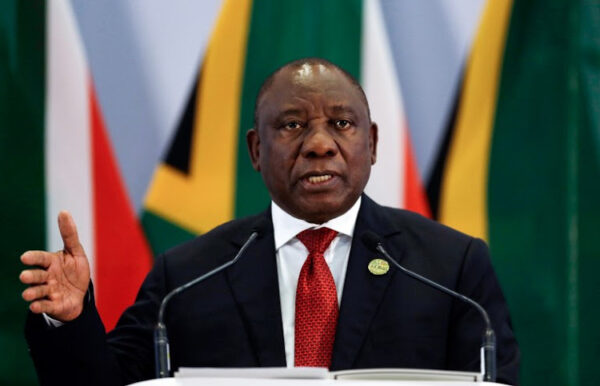
South Africa was disinvited from the G7 summit in France last week, where it was to attend as an observer alongside India, Brazil, and South Korea. According to President Cyril Ramaphosa’s spokesperson, Vincent Magwenya, France withdrew the invitation due to sustained pressure from the US—a claim France denies, instead citing President Macron’s upcoming visit to Kenya as the reason for Kenya’s last-minute invitation.
This follows sharply deteriorating US-South Africa relations since President Donald Trump returned to the White House in early 2025. Trump falsely accused South Africa of “white genocide,” suspended aid, and expelled Ambassador Ebrahim Rasool. The US boycotted South Africa’s G20 presidency throughout 2025 and will not invite South Africa to the US-hosted G20 summit at Trump’s Doral golf club. The rift stems from South Africa’s criticism of Israel, its ties with BRICS (including Russia and China), and its genocide case against Israel at the International Court of Justice.
Kenya, in contrast, has strengthened US relations with a health agreement and a $750,000 investment in a naval base over the past year. Analysts are divided: some call the disinvitation “diplomatic bullying” by the US, while others note France’s sovereign right to choose invitees. Ramaphosa downplayed the snub, noting South Africa is not a G7 member, and experts advise Pretoria to focus on bilateral economic relations rather than G7 observer status.
For Nigeria, this underscores the complexities of balancing an independent foreign policy with partnerships like the US. How should Nigeria navigate similar pressures while protecting its own economic and strategic interests?