South Korea's Lee Myung-bak Proposes Talks to End Korean War
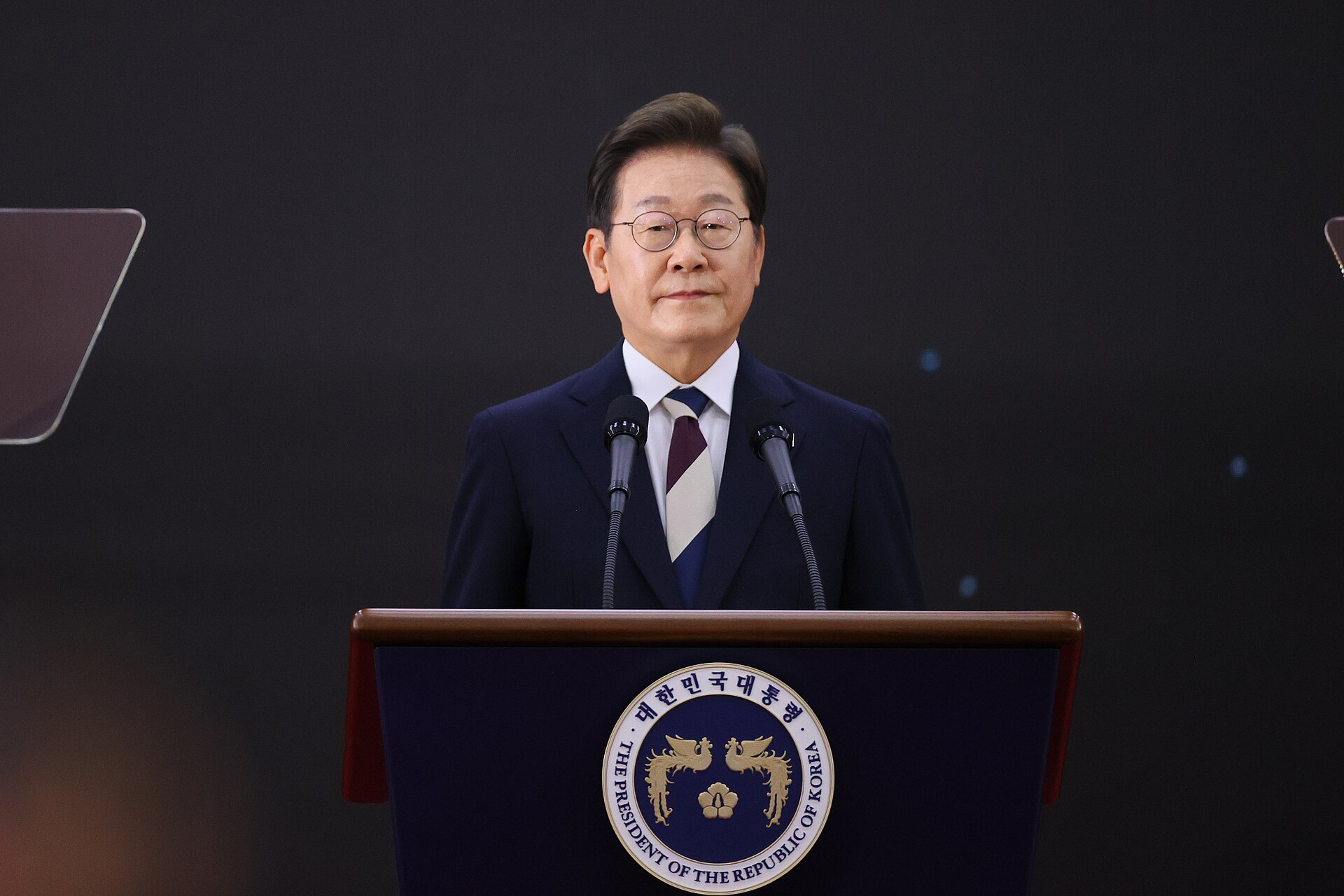
On August 15, 2026, South Korean President Lee Myung-bak urged North Korea to enter talks aimed at finally ending the Korean War, speaking at a ceremony marking Korea’s liberation from Japanese colonial rule. He called for both sides to 'put down our intentions to threaten each other and begin discussions to end the long-running war as the directly involved parties.' The proposal follows North Korea’s recent condemnation of the upcoming US‑South Korea military drills as a provocation and its claim that the exercises are rehearsals for invasion. Pyongyang has also repeatedly rejected Mr Myung‑bak’s earlier overtures, criticized South Korea’s plan to build nuclear‑powered submarines, and test‑fired a ballistic missile over the Sea of Japan last week—its 11th suspected launch in 2026 according to Seoul’s assessments.
While the Korean Peninsula remains technically at war because only an armistice, not a peace treaty, was signed in 1953, any move toward dialogue could affect regional stability and global markets, including energy prices and trade routes that influence Nigeria’s economy. Understanding these diplomatic shifts helps Nigerians anticipate how shifts in foreign policy and security alliances might impact foreign investment, aid, and commodity prices.
Will renewed talks on the peninsula lead to concrete steps toward peace, or will North Korea’s continued missile tests and refusal to engage stall progress once again?