Tinubu praises World Bank report: Nigeria reforms lift growth, lower inflation
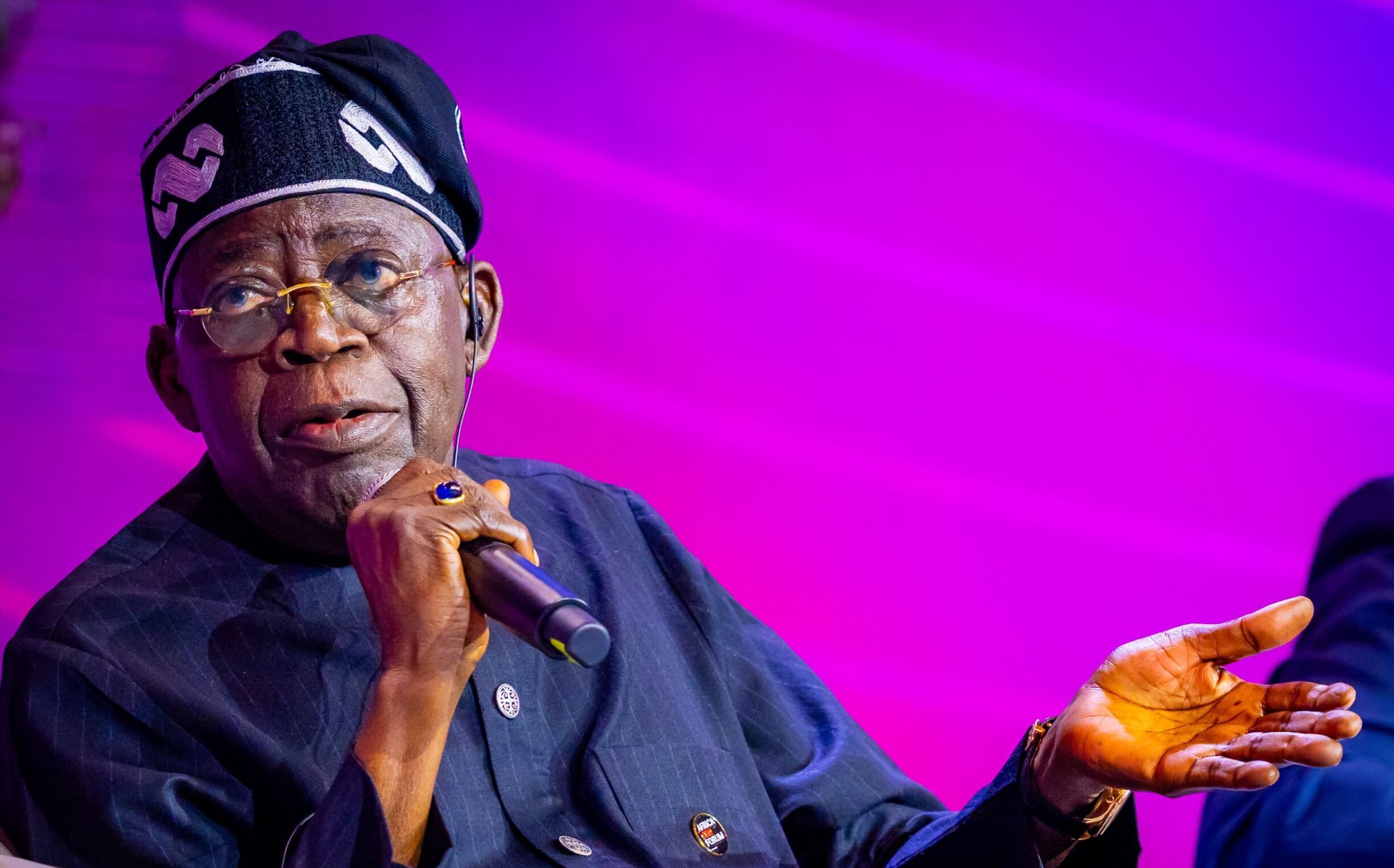
President Bola Tinubu welcomed the World Bank’s Nigeria Development Update, saying it confirms his administration’s economic reforms are bearing fruit. The report shows GDP grew 4.2% in the first half of 2026, up from 3.9% in the same period of 2025, despite the Middle East crisis. Inflation fell from 27.6% in January 2025 to 15.2% by December 2025 and is projected to ease to about 12% by 2028. Nigeria’s current account surplus rose to $12 billion (7% of GDP) in H1 2026, up from $8.6 billion a year earlier, while gross external reserves increased from $45.5 billion at end‑2025 to $53.8 billion by end‑August 2026. Federation revenue rose 69% in real terms between 2023 and 2025, with states as the biggest beneficiaries. Internally generated revenue grew in real terms in 31 of 35 states, and 21 states lowered their debt‑to‑GDP ratio between 2021 and 2025. Public debt is expected to fall from 40% of GDP in 2025 to 38.1% in 2026. States increased capital spending by 151% in real terms over the same period, directing funds to roads, transport, agriculture, energy and housing, while 29 states shifted spending toward economic infrastructure and real social spending per person rose in all but one state.
These indicators signal that the removal of fuel subsidies, unification of the exchange rate, tax reforms and banking sector recapitalisation are stabilizing the economy and creating fiscal space for government investment. The improvements suggest potential for lower inflation, stronger public finances and greater capacity for infrastructure and social spending, which could translate into better living standards, more jobs and reduced cost of living for Nigerians if sustained.
Will these continued reforms deliver the promised lower food prices and decent jobs for young people, and how should citizens and businesses adjust their plans amid the evolving economic landscape?