Tinubu says Nigeria’s economy grew over 4% in 2026, shifts focus to prosperity
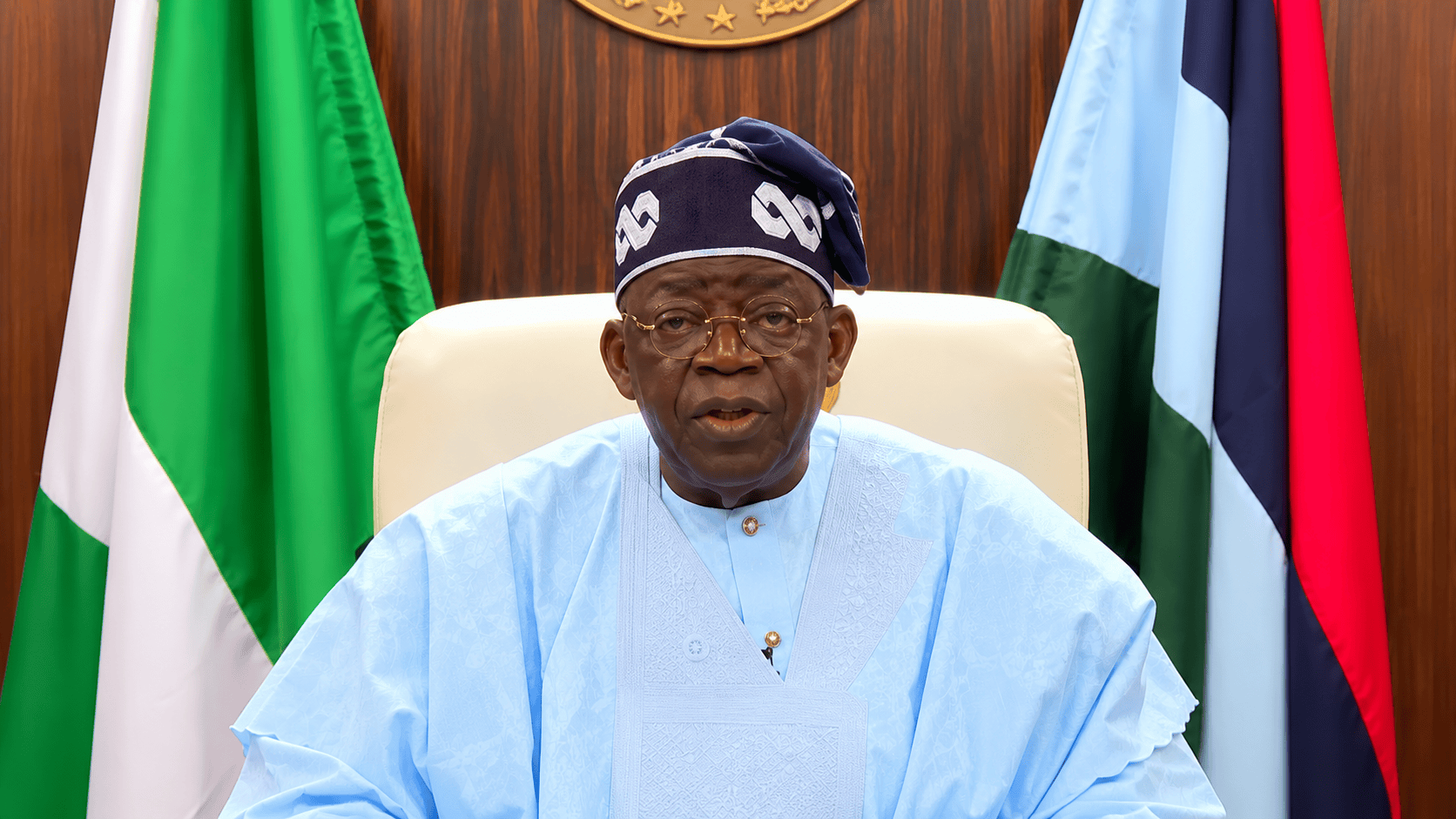
President Bola Tinubu declared Nigeria’s economy grew by more than four percent in 2026, speaking in his Independence Day address on Thursday, October 1. He cited the National Bureau of Statistics’ Q2 2026 real GDP growth of 4.43 percent year‑on‑year, up from 3.89 percent in Q1 and 4.23 percent in Q2 2025, bringing first‑half growth to about 4.16 percent.
The expansion was broad‑based: services contributed 56.62 percent of real GDP and grew 4.60 percent; agriculture accounted for 26.15 percent and rose 4.39 percent; the oil sector grew 7.31 percent but made up only 4.16 percent of GDP, with average daily crude output rising to 1.72 million barrels per day. Analysts warn the headline growth may not yet translate into better living standards, and the Nigeria Employers’ Consultative Association called the recovery fragile amid tough operating conditions.
Tinubu pointed to reform gains—inflation down from its peak, foreign reserves rebuilt, FX market stabilised, oil theft reduced, and non‑oil export revenue exceeding $6 billion in 2025, a record. He said the government’s priority is shifting from correcting structural weaknesses to delivering broader prosperity by lowering the cost of producing and transporting goods through mechanised irrigation, dry‑season farming, better access to seeds and fertiliser, increased mechanisation, and investment in storage, transportation, roads, railways and ports. He also promised to use gas resources for industry, expand digital connectivity, improve skills access, and provide businesses with finance and infrastructure, while maintaining social protection programmes such as the Nigerian Education Loan Fund and the Nigerian Consumer Credit Corporation. Will these prosperity measures translate into real improvements in jobs and household budgets, or will growth remain fragile?