Trump insists Iran talks proceed despite rejection, envoys heading to Islamabad as US-Iran ceasefire nears end
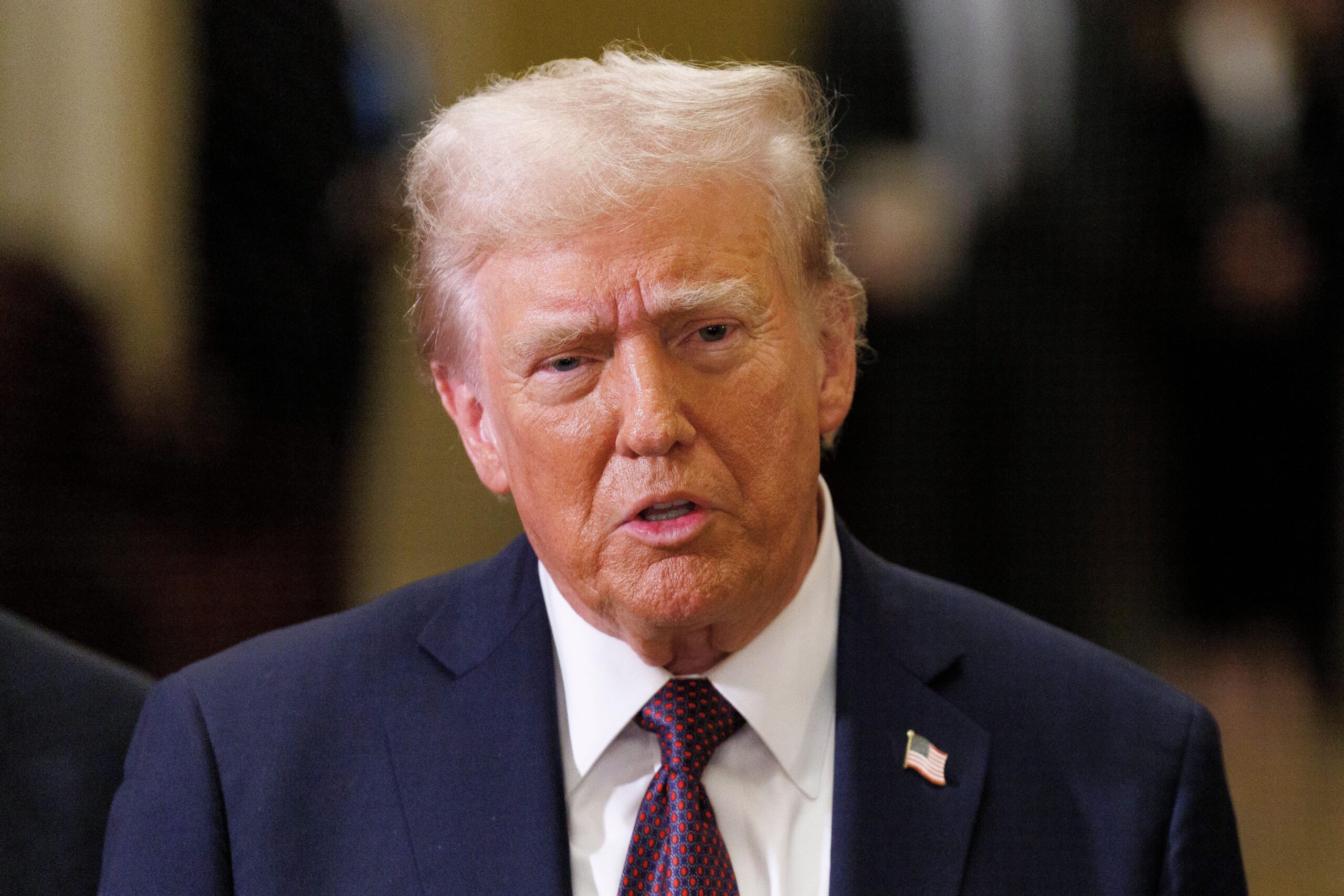
Trump downplayed Iran's claim of boycotting peace talks, confirming VP Vance, envoy Witkoff, and adviser Kushner are en route to Islamabad for negotiations before a US-Iran ceasefire agreement expires in days. Speaking to the New York Post, he said discussions continue and he has "no problem meeting" Iranian leaders if progress occurs, while reiterating the US demand: Iran must abandon its nuclear programme. "Get rid of their nuclear weapons. That's all very simple," Trump stated, warning non-compliance wouldn't be "pretty."
For Nigerians, this matters because Middle East instability directly affects global oil prices—Nigeria's economy remains oil-dependent despite diversification efforts. A breakdown in talks could trigger price spikes impacting fuel costs and inflation, while successful negotiations might stabilize markets. The talks' outcome also influences regional security, potentially affecting migration patterns or extremist activity in the Sahel linked to Middle East dynamics.
With envoys already in transit and the ceasefire ticking down, should Nigeria adjust its oil revenue forecasts or prepare diplomatic contingencies given its role as Africa's largest oil producer and a stakeholder in regional stability?