Trump says Iran deal to reopen Strait of Hormuz, suspends US attack
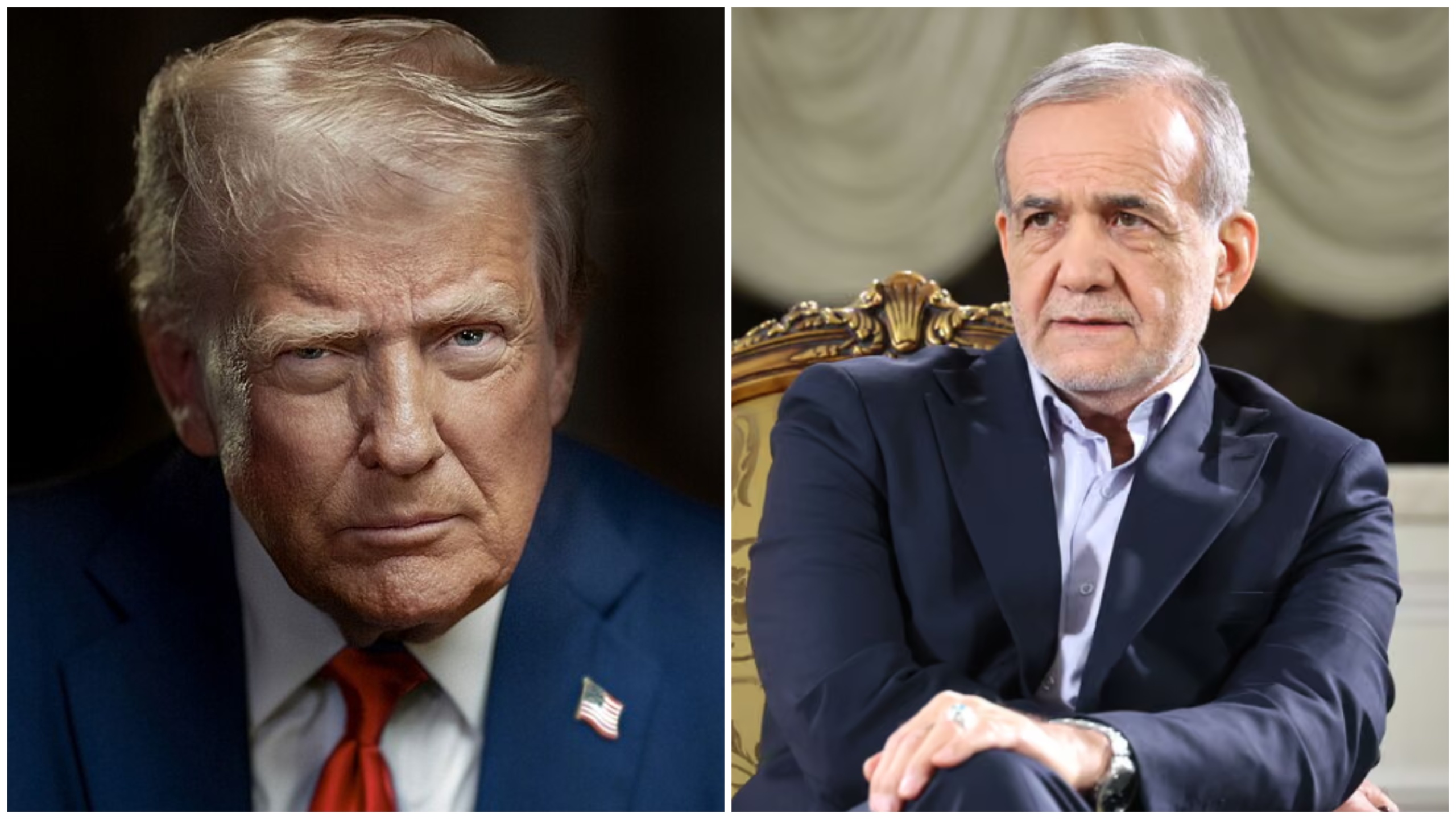
On Sunday, former US President Donald Trump announced that Iran has agreed to the perimeters of a new deal that would completely reopen the Strait of Hormuz and end what he described as Iran’s nuclear threat. In response, the United States has suspended its planned attack on Iran, with Israel joining the commitment to finalize the deal quickly. The announcement follows five months of heightened tensions, including Iran’s closure of the vital maritime route, a US naval blockade and expanded sanctions, and 13 consecutive days of strikes and retaliatory strikes that spiked global oil prices. The conflict began on February 28 with US and Israeli surprise attacks while Iran was engaged in negotiations with the US, and has since opened a new front in the Red Sea between Saudi Arabia and the Houthis.
For Nigerians, this development is significant because Nigeria is a major oil exporter; stability in the Gulf could help stabilize global oil prices, potentially easing fuel costs and inflationary pressures at home. A de‑escalation might also improve government revenue from oil exports, while a collapse of the deal could renew volatility and push pump prices higher.
The deal remains subject to rapid finalization, and past volatility shows how quickly Gulf tensions can shift. Should the Strait of Hormuz stay open and oil markets steady, will you expect relief at the pump, or will you keep budgeting for higher fuel costs given the region’s history of sudden shifts?