US launches phase two of Gaza Peace Plan, approves technocratic government
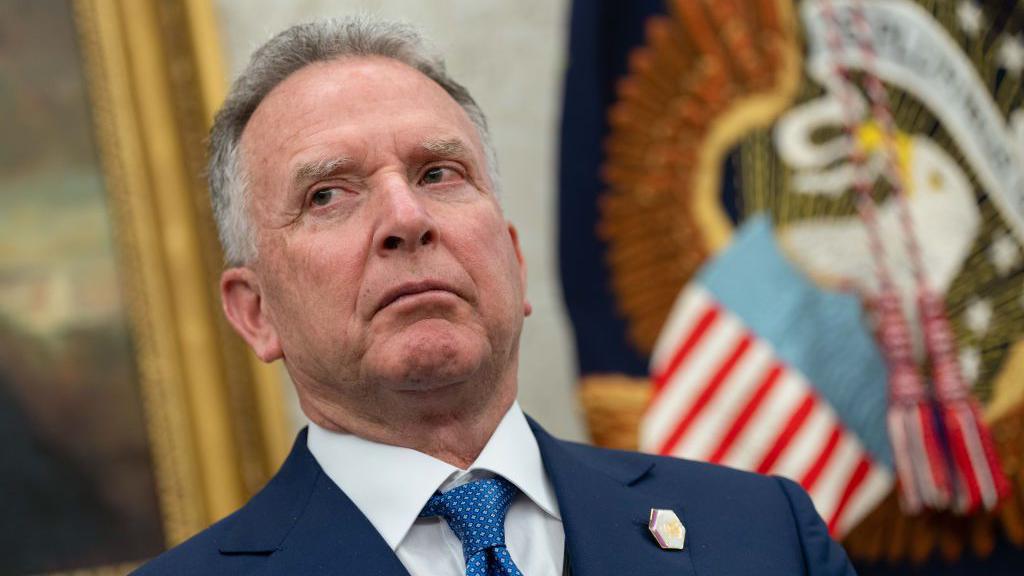
The United States officially launched phase two of President Donald Trump's Gaza peace initiative on Wednesday, announcing plans for a technocratic Palestinian government to administer the territory. US envoy Steve Witkoff said the new phase transitions from ceasefire to reconstruction, demilitarisation, and interim civilian rule after more than two years of conflict. Phase one, agreed in October, established a ceasefire, prisoner exchange, limited Israeli withdrawal, and increased humanitarian aid. The plan creates a 15-member National Committee for the Administration of Gaza (NCAG), chaired by former Palestinian deputy planning minister Ali Shaath, to oversee governance during demilitarisation and rebuilding. Hamas and Palestinian Islamic Jihad have signalled support for the technocratic committee, while the Palestinian Authority also endorsed the move. An International Stabilisation Force will train vetted Palestinian police units, and a 'Board of Peace' chaired by the US president will provide oversight, with former UN envoy Nickolay Mladenov serving as on-the-ground representative. However, major obstacles remain. Hamas refuses disarmament without an independent Palestinian state, Israel hasn't committed to full withdrawal, and the ceasefire remains fragile with both sides accusing violations. Gaza's health ministry reports nearly 450 Palestinians killed in Israeli strikes since the truce began. The recovery of Ran Gvili's remains—the last deceased Israeli hostage believed held in Gaza—remains contentious, with Israel refusing to reopen the Rafah border crossing until the body is returned. Humanitarian conditions remain severe, with the UN warning that unrestricted aid access is critical. Will this technocratic arrangement succeed where previous governance attempts failed, or is this merely a temporary fix without a comprehensive political settlement addressing Palestinian statehood?