US lifts Iran port blockade after peace deal—what it means for Nigeria's oil revenue and fuel prices
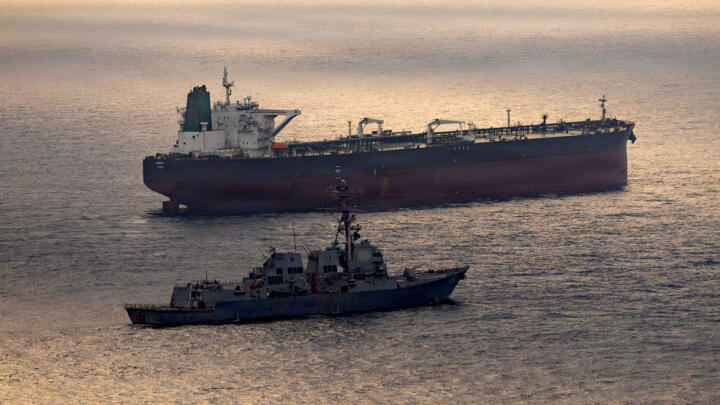
The United States has lifted its naval blockade on Iranian ports following an initial peace agreement with Iran, allowing about 12.5 million barrels of oil to flow through the Strait of Hormuz overnight. The blockade removal, confirmed by US Central Command, took effect immediately after the deal signed during the G7 Summit in France. The agreement includes an immediate ceasefire, a phased withdrawal of US forces, and a $300 billion reconstruction plan for Iran, with sanctions relief to follow over 60 days.
For Nigerians, this development is significant because Nigeria's economy depends heavily on oil exports. An increase in Iranian oil supply could push global crude prices downward, potentially reducing government revenue and putting pressure on the naira. At the same time, lower international oil prices might eventually translate to cheaper fuel at the pump if the savings are passed on to consumers, affecting household budgets and transport costs.
Readers should watch Brent crude price trends in the coming weeks and anticipate any announcements from the NNPC or marketers regarding fuel price adjustments. Those involved in the oil and gas sector may need to assess potential shifts in investment or operational costs. Will lower global oil prices help your household budget through cheaper fuel, or worry you about Nigeria's revenue and naira stability?
SOURCE: https://dailypost.ng/2026/06/19/us-lifts-blockade-on-iranian-ports-after-initial-peace-deal/