US strikes Iran's Qeshm Island hours before midterms, Strait of Hormuz stays closed
US forces launched "limited" and "defensive" strikes on Iran's Qeshm Island in the Strait of Hormuz Monday, hours before Americans vote in Tuesday's midterm elections. Iranian state media IRNA reported five explosions. Iran's Revolutionary Guards Corps claims it shot down two US MQM-170 reconnaissance drones south of Qeshm and an MQ-9 drone east of the strait.
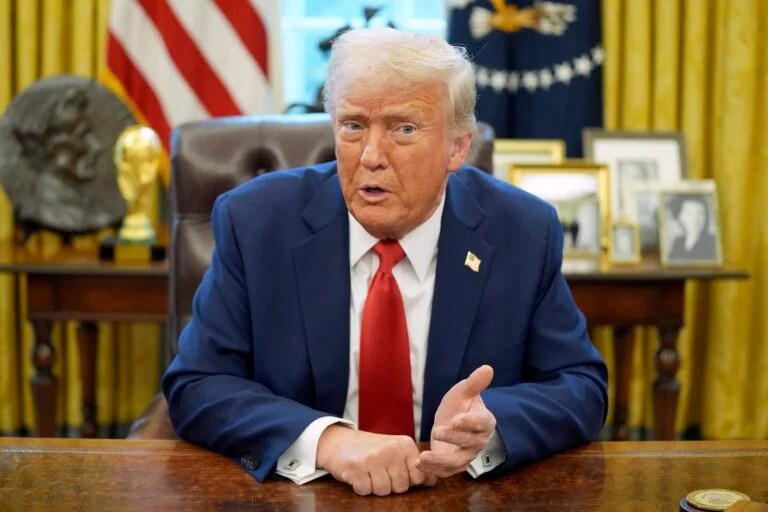
The strikes came after President Trump told reporters Monday he was in "no rush" to escalate against Iran. The US and Iran have been in direct conflict since February, when the US and Israel launched what Iran calls unprovoked attacks. The Strait of Hormuz—through which roughly 20% of global oil passes—remains closed due to military activity from both sides.
For Nigeria, this matters directly: prolonged closure of the world's most critical oil chokepoint drives up global crude prices, which eventually hits domestic fuel costs and government revenue. Nigeria's 2026 budget assumes an oil price benchmark; sustained disruption above that level creates fiscal pressure, while prices below it shrink earnings.
Midterm results Tuesday will shape whether Trump's Republican Party retains congressional control—which determines funding and authorization for ongoing military operations. A divided Congress could constrain executive war powers; a Republican sweep could enable escalation.
With the strait closed and both sides claiming drone kills, the immediate intelligence is this: expect continued volatility in global oil markets. If you're budgeting for fuel, logistics, or import-dependent operations, build in a risk premium for the next 30-60 days.