WHO and UNDP condemn attacks on Iranian health facilities, citing pattern of escalating conflict
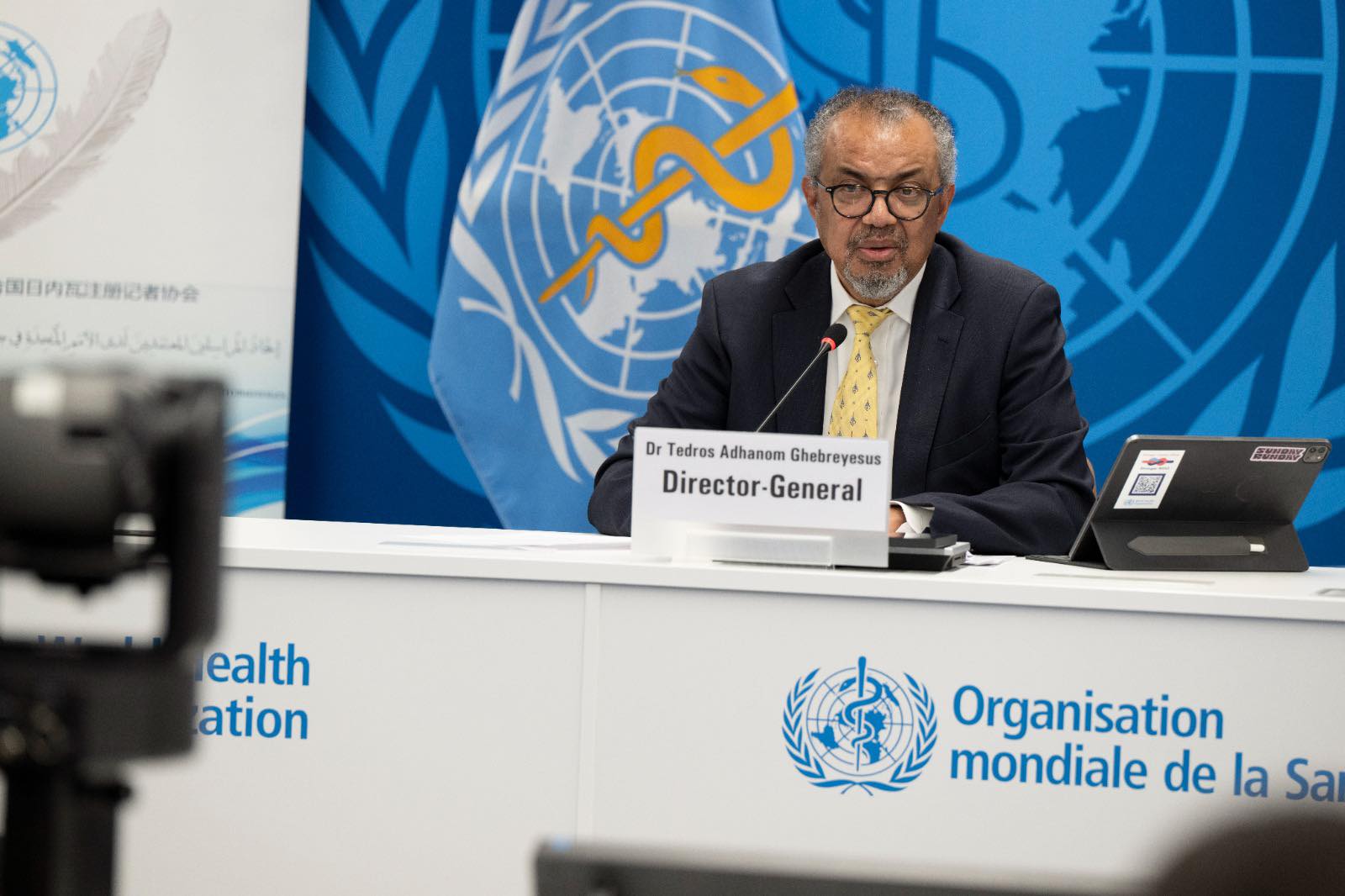
The World Health Organisation (WHO) and United Nations Development Programme (UNDP) have condemned repeated attacks on health facilities in Iran, warning that the escalating conflict is crippling essential medical services. WHO Director-General Tedros Ghebreyesus confirmed that since March 1, the WHO has verified over 20 attacks on health care in Iran, resulting in at least nine deaths—including an infectious disease health worker and an Iranian Red Crescent member. Among the damaged facilities is Tehran’s Pasteur Institute, a century-old research centre with two WHO collaborating departments, which sustained significant damage and can no longer deliver services. The Delaram Sina Psychiatric Hospital was hit on March 29, and the Tofigh Daru pharmaceutical plant, which produces cancer and multiple sclerosis medicines, was damaged on March 31. An explosion near Imam Ali Hospital in Khuzestan province on March 21 forced its evacuation. While no casualties were reported in these latest strikes, the UNDP Administrator Alexander De Croo stressed that health infrastructure and personnel must be protected under international humanitarian law, and warned that disruptions risk care for the most vulnerable. The WHO notes this pattern mirrors attacks in Sudan (over 2,000 killed in facility strikes), Afghanistan, and Pakistan, where conflicts have repeatedly forced evacuations and collapsed public health systems.
These attacks directly violate international norms protecting medical neutrality in war. For Nigeria, which hosts WHO collaborating centres and faces its own security challenges in the North East, this trend underscores a critical vulnerability: health infrastructure is increasingly a target, not just collateral damage. The erosion of this protection anywhere threatens global health security everywhere, including Nigeria’s ability to respond to disease outbreaks and maintain essential care in unstable regions.
Should Nigeria intensify advocacy for stronger international enforcement of health facility protections, or first harden its own hospitals against potential attacks in conflict zones? How can Nigeria balance its diplomatic stance with concrete preparedness for its own health workers and facilities?