Yiaga Africa reports late poll openings, low turnout in FCT area council elections
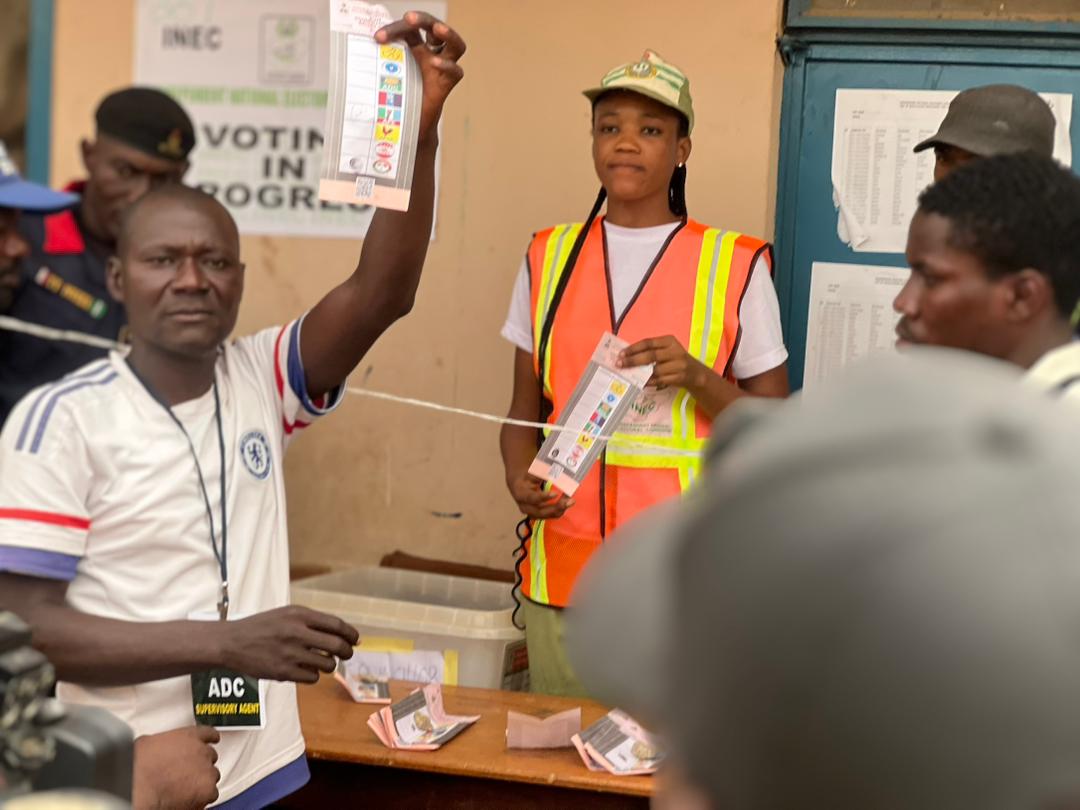
Election observers have flagged logistical lapses, low voter turnout and isolated cases of vote-buying in Saturday’s area council polls in the Federal Capital Territory (FCT). The Independent National Electoral Commission (INEC) conducted the elections for the chairperson and councilorship positions of the territory’s six area councils. In a preliminary statement released Saturday, Yiaga Africa said it deployed roving observers across the 62 wards of the FCT to monitor the polls under its Watching the Vote (WTV) initiative. According to the statement signed by its Executive Director, Samson Itodo, and Director of Programmes, Cynthia Mbamalu, YIAGA said its observers were deployed by 7:30 a.m. to track critical stages of the process, including polling unit openings, accreditation, voting and counting. The organisation said that because it did not deploy its Parallel Vote Tabulation (PVT) methodology for the elections, its statement focuses strictly on process observations rather than statistical verification of results. PREMIUM TIMES deployed reporters across the six area councils—Abaji, Bwari, Gwagwalada, Kwali, Kuje and the Abuja Municipal Area Council (AMAC). Five of the area councils have 10 wards each, while AMAC has 12. A total of 637 candidates from 17 political parties ran for the 68 positions – 62 councillorship seats and six chairpersons’ seats. Out of the 1,680,315 registered voters in the territory, 1,587,025 had collected their Permanent Voter Cards (PVCs) and were eligible to vote. Voting took place across 2,822 polling units, with 4,345 Bimodal Voter Accreditation System (BVAS) machines deployed to support the process. The collation of the election results was ongoing as of press time. Largely peaceful, low turnout Yiaga Africa described the elections as largely peaceful, noting that voters who presented themselves at polling units were able to cast their ballots without widespread disruption. However, it reported a generally low voter turnout across most polling units observed. The group said logistical challenges significantly affected the timely commencement of voting, particularly in the AMAC. Delays in deploying personnel and materials led to late openings at several polling units, especially in Wuse and Gwarinpa wards. As of 9:00 a.m., setup activities were still ongoing in many polling units visited by observers, with accreditation and voting commencing in most cases around 10:00 a.m—well behind the scheduled start time. Missing materials, confusion over polling units While critical materials such as the Bimodal Voter Accreditation System (BVAS) devices and voter registers were generally deployed in the polling units observed, Yiaga Africa reported isolated cases of missing materials. In one polling unit in Wuse Ward, the voter register was reportedly not initially available and was only produced after observers and voters raised concerns. In parts of Abaji Area Council, observers said voting cubicles were absent in some polling units, while an ink pad required for the voting process was missing in another. The organisation also highlighted confusion arising from the reassignment of voters to newly created polling units without adequate prior notice. It noted that INEC reportedly sent SMS notifications to affected voters; many messages were delivered on Election Day, sometimes hours after voting had begun. This, Yiaga Africa said, led to overcrowding in some locations as voters spent considerable time trying to confirm their designated polling units. Observers further noted disparities in voter distribution within the same polling areas, raising concerns about the coherence of the Commission’s voter redistribution framework. Early closures, heavy security, vote-buying Yiaga Africa reported that some polling units closed before the official 2:30 p.m. closing time, contrary to guidelines requiring polling units to remain open until 2:30 p.m. or until the last voter in the queue had voted. Observers also noted a heavy security presence in certain areas, which in some instances restricted the movement of accredited observers and created barriers for voters attempting to access polling units. ALSO READ: FCT election orderly, efficient, peaceful – INEC chairman The group further documented incidents of vote buying in several locations, describing it as a persistent challenge despite prior assurances by INEC and security agencies to curb the practice. Call for transparency in results collation Yiaga Africa urged INEC to ensure that Form EC60E (the People’s Results Sheet) is posted at polling units and that polling unit result sheets (Form EC8A) are uploaded via BVAS to the INEC Results Viewing Portal (IReV) and transmitted to ward collation centres. It also called on the commission to conduct results collation and declaration with strict adherence to legal and procedural guidelines to safeguard the credibility of the outcome. The group appealed to security agencies to maintain professionalism and impartiality, particularly at collation centres, and urged political parties and their supporters not to disrupt the process. Yiaga Africa said its observers would continue monitoring the collation process at ward and Area Council levels and track uploads to the INEC results portal. A comprehensive report on the collation process will be released at the conclusion of results collation. Share this: Click to share on X (Opens in new window) X Click to share on Facebook (Opens in new window) Facebook Click to share on WhatsApp (Opens in new window) WhatsApp Click to share on Telegram (Opens in new window) Telegram Click to share on LinkedIn (Opens in new window) LinkedIn Click to email a link to a friend (Opens in new window) Email Click to print (Opens in new window) Print