Zimbabwe's Mnangagwa signs law extending term to 2030, shifting elections to parliament
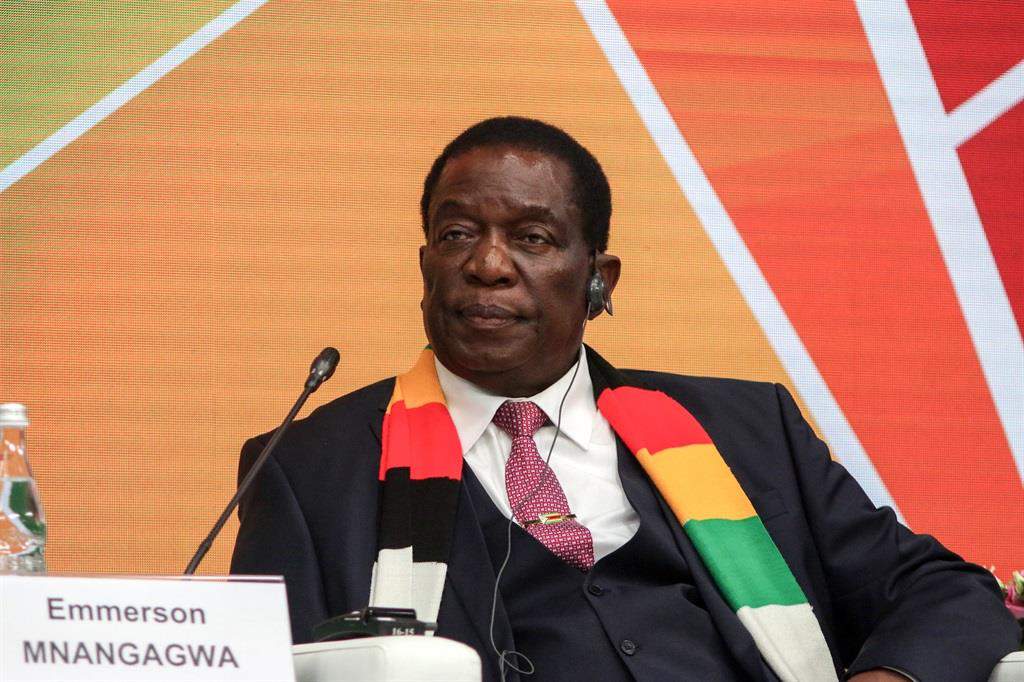
President Emmerson Mnangagwa signed into law today, July 8, 2026, a constitutional amendment extending his presidential term from 2028 to 2030 and changing how Zimbabwe's president is elected - from popular vote to parliamentary vote. The law also increases presidential and parliamentary terms from five to seven years, expands the Senate from 80 to 90 members, ends public interviews for judicial appointments, and transfers voter registration from the Electoral Commission to the Registrar-General.
This matters to Nigerians because Zimbabwe is a key member of the Southern African Development Community (SADC), and democratic backsliding there raises concerns about regional stability and democratic norms across Africa. Nigeria maintains diplomatic and trade relations with Zimbabwe, and shifts toward authoritarianism in neighboring regions can influence refugee flows, economic partnerships, and continental bodies like the African Union where Nigeria plays a leading role.
The changes, pushed by ZANU-PF despite opposition protests, mean future Zimbabwean presidents will be chosen by parliamentarians rather than citizens, weakening direct democracy. Nigerians should monitor how this affects SADC dynamics, Zimbabwe-Nigeria bilateral relations, and whether similar constitutional changes emerge elsewhere on the continent. What implications might this have for Nigeria's role in promoting democratic governance in Africa?
SOURCE: https://dailypost.ng/2026/07/08/zimbabwe-president-mnangagwa-signs-law-extending-tenure/